
Breakthrough bleeding on hormonal birth control is common and usually temporary, especially after starting, switching, or missing pills. Tracking your bleeding patterns, taking contraception consistently, and recognizing warning signs can help determine whether it’s a normal adjustment or time to consult a healthcare provider for further evaluation.
The clinical term is “breakthrough bleeding”, and it can occur across different hormonal methods, not just combined oral contraceptives. People relying on the patch, the vaginal ring, the birth control shot and implant, or the progestin-only pill experience it too.
This guide covers what causes breakthrough bleeding, when to check in with a provider, and how to manage it day to day
The Most Common Reasons for Breakthrough Bleeding with Hormonal Birth Control
Mid-cycle spotting refers to light bleeding that happens outside the expected withdrawal-bleed window; that is, outside the hormone-free days when you would anticipate menstrual bleeding.
Most birth control pills work by altering the lining of the uterus, keeping it thinner and less prone to building up the way it would in a natural cycle. The thinning of the uterine lining is what makes breakthrough bleeding more likely, especially early in use or when hormonal changes disrupt your system.
One important detail before diving in is that irregular spotting does not mean the birth control method has stopped working. In most cases, it signals that your body, schedule, or hormonal contraception formulation is going through an adjustment. The cause is traceable; think of what follows as your diagnostic guide to move through and identify which issue matches your experience.
Your Body Is Still Adjusting to Hormonal IUDs or Combined Oral Contraceptives
The first few months after starting the new pill, switching packs, or changing hormone doses represent the timeframe associated with breakthrough bleeding. Your uterine lining is recalibrating to estrogen and progestin, making some unexpected bleeding during that active period a recognized part of the process.
Providers find that a low-dose option may produce a less stable environment during the first three months, making a light period more likely. Your system hasn't finished settling in yet; tracking your bleeding patterns while on birth control can help you and your healthcare provider identify trends.
Note when the bleeding or spotting occurs, how heavy it is, and whether the color shows pink or red blood. If the unpredictable volume improves over successive cycles, that offers reassuring data.
If nothing changes after a few months, that information becomes valuable to bring to a doctor. Taking active pills at the exact time every day supports stable, continuous hormones and reduces the risk of irregular periods.
You Missed Combined Pills or Took Them Late
A missed pill or missed pills can cause a sudden dip in hormone levels, and the uterus may respond to that drop with a little spotting. The biological mechanism mirrors what happens during a placebo interval; a reduction in estrogen and progestin exposure prompts the fragile lining to shed.
The distinction between one missed dose and several missed pills matters because the risk of breakthrough bleeding and pregnancy can vary depending on timing and the type of contraceptive used.
Check the package instructions for what to do after a lapse, since guidance varies between combined pills and the progestin-only pill (referred to as the mini pill). If a missed dose was followed by unprotected sex, ruling out pregnancy with a test is a smart next step.
Bleeding between periods does not signify pregnancy in most scenarios, though testing remains sensible if emergency contraception was avoided. Deliberate schedule changes like skipping the placebo pills can produce similar effects, which warrants understanding on its own terms.
You're Skipping Placebo Pills or Taking the Pill Continuously
Taking active pills back-to-back without a pill-free break is a supported approach for reducing or eliminating scheduled bleeding. This continuous use works well for many people who want fewer scheduled bleeding episodes; unscheduled bleeding can still occur in the early stages of a continuous plan.
It helps to distinguish between two different types of flow. Withdrawal bleeding happens during the placebo or hormone-free days and is triggered by falling hormone levels, not by a natural menstrual cycle. Breakthrough bleeding is a separate side effect that can occur during continuous or extended use, and it is more common early on, often improving over the first few months.
Others find that a planned evaluation using extended-cycle packs suits their anatomy better. Tracking patterns by date gives you the historical data needed to have a productive discussion with your healthcare provider if continuous light spotting causes frustration.
Your Dose for Birth Control Pills or Intrauterine Devices May Not Be the Right Fit
Not every new method works the same way in every individual. Estrogen dose, progestin type, and overall pill composition all influence how your reproductive system behaves. Persistent spotting acts as a telling sign that the current medication might require adjustment. Finding a low-dose pill or an alternate progestin-only pill requires patience.
Switching to a different combined contraceptive, or exploring another hormonal contraception format, remains a routine medical decision. Irregular bleeding isn't exclusive to the new pill; it happens with the patch, the vaginal ring, the birth control shot, the birth control implant, and hormonal IUDs for similar endocrine reasons.
A switch does not guarantee a perfect, spotting-free experience, but it may improve bleeding patterns if your current formulation is contributing to a thinner uterine lining. Framing this as a fit issue rather than a personal failure helps manage expectations.
Finding the formulation that can make your period lighter takes time, and bleeding does not mean something dangerous is happening inside your body. From here, consider what external triggers or potential side effects might play a part.
Medications, Supplements, or Illness May Be Interfering
Several external choices can disrupt how your system processes oral contraceptives. Connecting a shift in bleeding patterns to a new medication or routine offers vital clues worth flagging.
The main categories of interference include the following types of factors that may affect how your contraception works. Keep these potential interactions in mind when speaking with your healthcare provider.
- Gastrointestinal illness involving vomiting or diarrhea within a few hours of taking the new medicine can reduce absorption, producing an effect akin to missing a dose.
- Certain types of anti-seizure medications and specific antiretroviral drugs possess documented interactions with hormonal birth control methods.
- Some antibiotics prescribed for conditions might reduce protection; a doctor should remain informed when starting any new medicine.
If mid-cycle bleeding began after introducing a new supplement, mention this at your next appointment.
Other Health Factors
Not all vaginal bleeding experienced while utilizing family planning originates with the contraception itself. An STI infection, early pregnancy, polyps, cysts, benign growths, thyroid dysfunction, and cervical complications can produce irregular bleeding.
Bleeding patterns and accompanying signs act as your best diagnostic tools. Pay attention to duration, volume, where the flow falls relative to your schedule, and any pain, unusual discharge, or odor in the vagina.
These details differentiate between spotting that reflects a new normal and bleeding that warrants further evaluation from gynecologists. If unexplained flow arrives alongside other symptoms, especially after months of stability on the same birth control pills, seek medical care.
Key Insight: Tracking the pattern of your breakthrough bleeding duration, flow, timing, and any accompanying symptoms is the most reliable way to distinguish an adjustment phase from a sign that needs medical attention. |
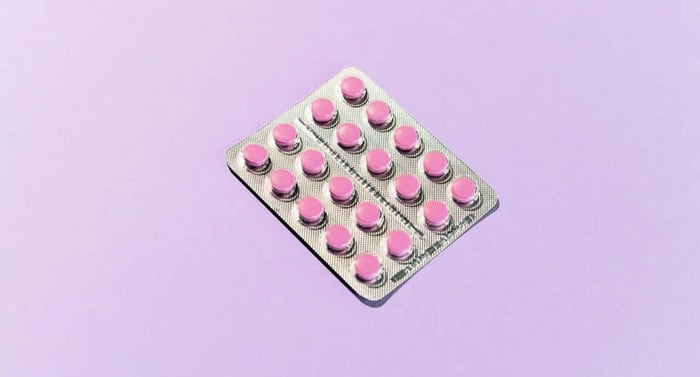
When to Check In With a Healthcare Provider
Breakthrough bleeding in the first couple of months on the pill is usually fine to watch and wait. Certain patterns are worth flagging to a provider though. Reach out if you notice any of these:
- Bleeding heavy enough to soak through period products fast or often, risking anemia.
- Severe cramping, a sick sensation, dizziness, or fainting accompanying the flow.
- New unexpected flow after stretches of stability on your intrauterine devices or oral pills.
- Unscheduled spotting following late pills and instances without a condom.
- Spotting that continues past the first three months without improvement.
- Any concern over pregnancy status, contracting an infection, or feeling worried about potential cancers.
When you consult a professional, they review your history, suggest a physical exam, or alter your estrogen dose. Coming prepared with dates, flow levels, and pill timing makes that conversation efficient.
One detail deserves a direct statement: do not quit using birth control without guidance unless instructed. Discontinuation creates fresh hormonal disruptions, making a professional consultation the smarter strategy.
Asking questions utilizes the healthcare system as intended. Seeking an expert evaluation in these cases is never considered overreacting.
Warning/Important: Never stop the pill suddenly without a provider's guidance. Abrupt cessation can trigger its own hormonal disruption, and reaching out is always the safer first step. |
Our #1 Pick As The Best Period Care Bundle
| #1 nixit cycle+ bundle is our top recommendation for anyone dealing with unexpected breakthrough bleeding. It combines the innovative nixit menstrual disc with a foaming wash, on‑the‑go wipes, and a water‑based lubricant for comfortable insertion and intimacy. This complete kit keeps you clean, comfortable, and prepared, no matter when bleeding strikes. ★★★★★4.7 out of 5 |

Can You Still Use Period Products During Breakthrough Bleeding?
Yes, the choice of menstrual product comes down to flow level and personal preference. Managing breakthrough bleeding is possible.
For small amounts of temporary spotting, a liner is sufficient. When your bleeding with birth control is closer to regular menstrual bleeding, menstrual discs are a great option. The nixit menstrual disc sits up near the cervix, making it a low-profile solution that supports exercise, sleep, or intimate moments free from bulky pads.
Unscheduled bleeding has a habit of arriving mid-flight, at work, or during a gym workout. Having a reliable product on hand leaves one less stressful variable to juggle when you get caught off guard.
Readiness reduces the frustration associated with light bleeding disruptions. A proactive plan empowers you through an unpredictable period.
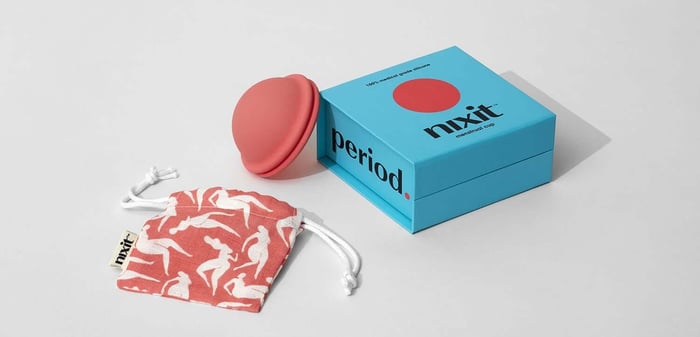
Managing Unexpected Bleeding Comfortably With nixit
Breakthrough bleeding has a habit of showing up when you're not ready for it - mid-workday, at the gym, halfway through a trip. That unpredictability is one of the more frustrating parts of it. Having a period product you can wear even on 'maybe today' days takes the panic out of it.
A menstrual disc is worth a look here for a specific reason. Unlike a tampon or pad that you only reach for once you're actually bleeding, a disc can go in preemptively and sit comfortably for hours whether you're bleeding or not. The nixit disc holds up to 70 mL and stays in for up to 12 hours, so a surprise day of spotting doesn't force you to change plans.
It's suction-free, sits behind the pubic bone, and one size works for most people. If insertion feels tricky, a small amount of water-based lube helps - skip oil-based or silicone-based, both damage silicone over time.
Breakthrough bleeding on hormonal birth control is common. Managing it doesn't have to be a bigger deal than it is.
If you are looking for more information about how hormonal birth control affects your cycle, see our guide on whether you ovulate on birth control.
FAQs
Why am I bleeding on the pill when I shouldn't be?
Most breakthrough bleeding on the pill is caused by your body adjusting to hormones (especially in the first three months of a new pill), a missed or late dose, or a pill formulation that isn't the right fit for you. It doesn't usually mean the pill has stopped working or that something is wrong. Track when it happens, how heavy it is, and whether it improves - and check in with a provider if it lasts past three months or comes with other symptoms.
Is breakthrough bleeding on birth control pills normal?
Spotting early on is a known effect after starting combined oral contraceptives. It does not mean the medication has stopped functioning, though you should see a doctor if you experience persistent flow beyond that.
Does irregular bleeding on the pill mean I could be pregnant?
Irregular spotting alone is not an indicator that you are pregnant. If you missed a dose and engaged in unprotected intercourse, take a pregnancy test to be sure.
Mid-cycle flow happens for various reasons linked to weight, age, or stress, so context matters.
How long does breakthrough bleeding last on birth control pills?
Temporary breakthrough bleeding settles within the first three months. If vaginal bleeding lasts longer or begins out of the blue, see a doctor.
Should I stop taking the pill if I have bleeding with birth control between periods?
No, do not stop your daily pill unless your doctor directs you to. Sudden cessation creates withdrawal bleeding and irregular periods.
If irregular bleeding brings discomfort, schedule an appointment. A provider can switch your brand or evaluate underlying benign growths.
Can I use a menstrual disc for breakthrough bleeding?
Yes. The nixit menstrual disc rests securely in the vaginal fornix and handles an active lifestyle.
This characteristic makes it ideal for unpredictable hormone changes. Users appreciate maintaining an ongoing, discreet option in their bag.
How long can I wear the nixit menstrual disc?
The nixit menstrual disc can be worn for up to 12 hours before it should be removed, emptied, rinsed, and reinserted. This extended wear time makes it a convenient option for managing unexpected breakthrough bleeding throughout the day or overnight.
Can sex or vigorous exercise trigger spotting while on the pill?
Yes, sex or intense exercise can sometimes cause light spotting, especially if the cervix or vaginal tissue is irritated. If bleeding after sex happens repeatedly or comes with pain, odor, or unusual discharge, check in with a healthcare provider.
Can changing the time I take my pill cause spotting?
Yes, inconsistent pill timing can create small hormone fluctuations that may cause breakthrough bleeding. This may happen more with the progestin-only pill, as it has a stricter dosing window than many combined pills.
Is brown discharge on the pill considered breakthrough bleeding?
Brown discharge is often older blood leaving the uterus slowly, so it can be a form of light breakthrough bleeding. If it comes with itching, odor, pelvic pain, or a sudden volume change, see a doctor.
Does breakthrough bleeding on the pill affect future fertility?
No, breakthrough bleeding while using hormonal birth control does not mean your fertility has been damaged. Once you stop the contraceptives, your natural cycle may take time to return, but spotting on the pill itself is not a sign of long-term reproductive harm.