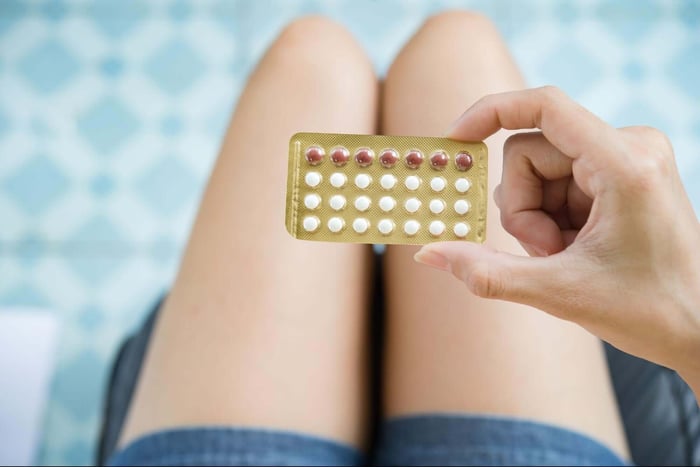
Knowing how to dispose of a condom properly is a simple part of safer sex. Tie or wrap the used condom, throw it in the trash, and wash your hands afterward. These quick habits help protect your plumbing, reduce waste, and keep shared spaces clean and hygienic.
Proper condom disposal comes down to three things: hygiene, consideration for others, and care for the environment.
This guide walks you through how to dispose of condoms and explains why each step matters. We'll cover the common mistakes to avoid and share a few items that make post-sex cleanup way easier.
The Right Way to Dispose of Used Condoms
While condom materials can vary depending on the brand, proper disposal of condoms is the same regardless of the materials because used condoms contain bodily fluid. The process below breaks down into three simple steps and takes less than a minute from start to finish.
Step 1: Tie Off the Condom or Wrap It Up
Slide the used condom off carefully while holding the base to help keep semen and other fluids inside. This helps prevent the mess people often associate with condom disposal.
Once the condom is off, tie a knot at the open end to contain the fluids. If you can’t tie a knot, the wrap method works just as well. Wrap the condom in two or three layers of toilet paper. This helps contain odor.
Keeping tissues nearby makes cleanup easier. It can also leave a positive impression when you handle cleanup calmly and without fuss.
Do not blow air into a used condom or reuse it in any way. Keeping disposal supplies nearby is a simple part of a more thoughtful sexual health routine.
Step 2: Throw It in the Trash
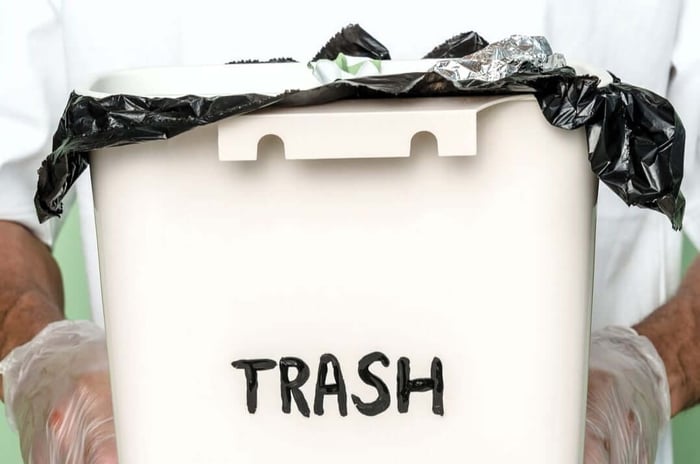
Once the condom is tied or wrapped, throw it into a household trash can.
A few things to keep in mind:
- A lidded trash can is best for shared spaces because it helps contain odor and keeps waste out of sight.
- Discarded condoms are sanitary waste, meaning they do not belong in the recycling bin. Putting condoms in recycling can contaminate recyclable materials and create sorting problems.
- Used condoms should not go in the home compost, regardless of the material.
- If you're away from home, wrap the condom and use a public trash bin, or keep it in a bag until you find one.
You may wonder whether flushing a condom is an alternative to throwing it away, but it isn't. Flushing condoms can clog pipes and contribute to waste in waterways.
Empty the bathroom bin at least once a week to reduce odor. Keep the trash secured so pets and children cannot reach used condoms.
Step 3: Wash Your Hands
Washing your hands with soap and water after handling a used condom is essential, yet it's one of the most commonly skipped steps.
Washing helps remove bodily fluids and reduce the spread of germs. Aim for 20 seconds of scrubbing with soap and water.
Wash your palms, the backs of your hands, between your fingers, and under your nails. This routine helps protect you and your partner from spreading germs to other surfaces.
Clean hands help reduce cross-contamination. This basic hygiene step also shows respect for your shared space.
Why Condom Disposal Matters
Knowing what to do is one thing, but understanding why it matters makes the habit easier to keep. Learning how to dispose of a condom correctly helps protect your plumbing, reduces environmental impact, and supports good hygiene.
Plumbing Damage
Condoms do not dissolve in water. When flushed, they can wrap around pipes, cause blockages, and lead to expensive plumbing repairs.
Sewer and Water Pollution
Flushed condoms can move through home plumbing into wastewater systems. If they pass through treatment facilities, latex and plastic waste may end up in rivers, lakes, or coastal waters.
Wildlife Harm
Condom waste can persist in aquatic environments. Animals may mistake it for food or become entangled in the debris.
Courtesy and Cleanliness
Leaving used condoms exposed in shared spaces is unpleasant and unsanitary. Wrapping them in tissue and placing them in the trash shows respect for housemates, guests, cleaning staff, and family.
Safe Sex Comes First
Condoms are single-use for a reason: they help protect against STIs, including HIV, and unintended pregnancy. Responsible disposal is simply the next step.
Avoid: Flushing condoms clogs pipes and pollutes waterways, where latex can persist for years. Proper disposal is a small act with a major impact on plumbing, marine life, and public health. |
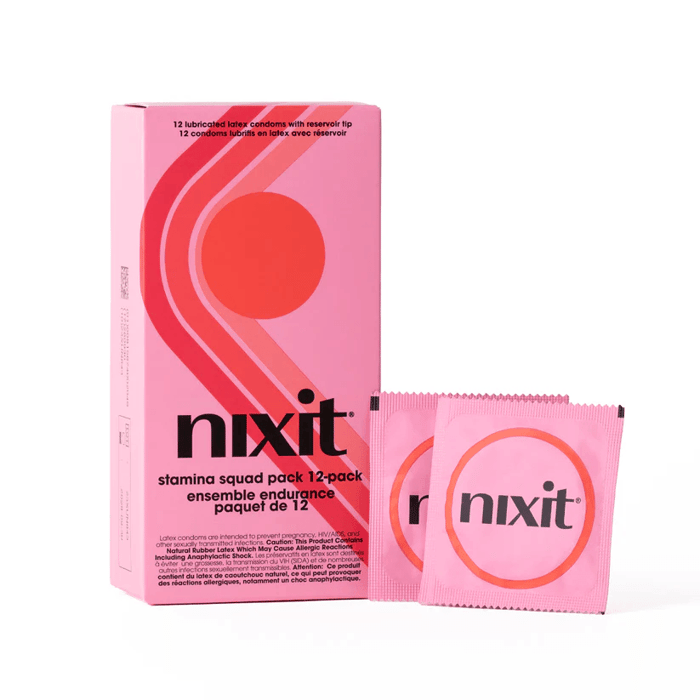
| nixit condoms are made from ultra-thin natural rubber latex. They’re free from glycerin, parabens, spermicide, fragrances, and dyes. The barely-there feel makes them comfortable to use, while the minimal packaging supports a lower-waste routine after sex. |
Common Mistakes When Disposing of Used Condoms
Here are some of the most common disposal mistakes to avoid.
Recycling Wrappers or Used Condoms
Used condoms are sanitary waste and should be thrown in the trash, not recycled. Putting them in recycling can contaminate other recyclable materials.
Composting Condoms
Even lambskin or latex condoms should not go in the home compost. Used condoms contain bodily fluids and require proper trash disposal.
Littering Outdoors
Never throw condoms out a window or leave them in parks, streets, or public spaces. Proper disposal helps protect the environment and keeps shared spaces cleaner and more hygienic.
Skipping Handwashing
Always wash your hands after handling a used condom. This prevents bacteria from spreading to other surfaces.
Using the Wrong Lube
Oil-based products, including baby oil, can weaken latex and cause breakage. Use water-based lubricant with latex condoms to help prevent damage. Some ingredients in condoms and lubricants are also linked to irritation and infections - see our guide on whether condoms can cause UTIs for what to watch for.
Using the Wrong Size
A condom that's too tight can break; one that's too loose can slip. Take a moment to find the right fit - our guide on how condoms should fit walks through what to look for.
Storing Condoms Incorrectly
Avoid keeping condoms in wallets, pants pockets, or cars. Store them in a cool, dry place and check the expiration date before use.
Better Habits, Better Intimacy
Knowing how to dispose of a condom is just one piece of safer sex. The same thoughtful approach applies to the products you choose and how you use them.
Small habits can make a meaningful difference. Thoughtful cleanup, safer product choices, and informed decisions all contribute to better intimate health.
nixit offers sexual wellness products designed with your body and values in mind. Explore the collection to find options that fit your intimate care needs.
FAQs
How do you dispose of a condom?
Slide the condom off while holding the base to keep fluids inside, then tie a knot (or wrap it in toilet paper) and put it in a lidded trash can. Never flush it - condoms don't dissolve and can clog pipes. Never recycle or compost - used condoms are sanitary waste and belong in the household trash.
Are condom wrappers recyclable?
Most aren't. Condom wrappers are typically made from foil or mixed materials that can't be recycled. Throw them in the trash along with the used condom.
Can I compost biodegradable condoms?
No. Even biodegradable condoms can contain bodily fluids and should not go in home compost. Throw them in the trash.
What makes nixit condoms different?
nixit condoms are made from ultra-thin natural rubber latex and are free from glycerin, parabens, spermicide, fragrances, and dyes. They're designed for a barely-there feel with body-safe materials.
How should I store condoms to keep them effective?
Store condoms in a cool, dry place away from direct sunlight. Avoid wallets, pockets, or cars where heat can damage the latex. Always check the expiration date before use. See our post to condom expiration for more information.
What kind of lube is safe to use with latex condoms?
Use water-based lubricants with latex condoms. Avoid oil-based products like baby oil, coconut oil, or petroleum jelly, as they can weaken the latex and cause breakage.
Why is handwashing after condom disposal so important?
Washing your hands prevents bacteria from bodily fluids from spreading to other surfaces like your face, phone, or shared items. It's a simple step that protects both you and your partner.
What should I do with a condom if there's no trash can nearby?
Wrap it in tissue or toilet paper and keep it in your pocket or bag until you find a trash bin. Never litter or leave used condoms in public spaces.
Can pets get sick from finding a used condom in the trash?
Yes. Dogs and other pets may chew or swallow used condoms, which can cause digestive blockages. Use a lidded trash can and dispose of condoms promptly.
Are nixit condoms vegan-friendly?
Yes. nixit condoms are made from natural rubber latex without animal-derived ingredients like casein.