
The short answer: it depends on the method.
Many hormonal birth control methods suppress ovulation, meaning they stop the ovary from releasing an egg during your menstrual cycle.
However, not all contraceptives work the same way. Some methods prevent ovulation, while others help prevent pregnancy by changing the uterine lining or thickening the cervical mucus to block the sperm.
This guide breaks down how different birth control methods affect ovulation and why ovulation can still happen sometimes.
What Does Ovulation Mean?
Before looking at how birth control affects ovulation, it helps to understand what ovulation actually is.
Ovulation happens when one of your ovaries releases a mature egg. For women not using hormonal contraceptives, this occurs once per cycle, usually around the middle of a normal 28-day menstrual cycle. It marks the shift from the follicular phase into the luteal phase and opens a short fertile window.
You might notice certain ovulation symptoms when this happens. Your cervical mucus often becomes clearer and more stretchy, and your basal body temperature rises slightly. Some women also feel a mild, one-sided pelvic ache known as mittelschmerz. Recognizing these ovulation signs can help you better understand your fertility.
Since ovulation is what makes pregnancy possible, many hormonal birth control approaches are designed to prevent it from happening in the first place.
How Each Type of Hormonal Birth Control Affects Ovulation
Hormonal birth control does not affect ovulation in the same way across all methods. Does birth control stop ovulation? In many cases, yes, but again, the answer depends on the specific method.
1. Combination Birth Control Pills
Combination birth control pills contain synthetic estrogen and progestin. These hormones work together to suppress ovulation and help prevent pregnancy.
When taken consistently, they prevent egg release. However, missing pills or taking interfering medications can make ovulation more likely.
These pills carry a small risk of side effects, including high blood pressure and, rarely, deep vein thrombosis. Your doctor may also discuss breast cancer risk based on your health history.
The bleeding experienced during the break from taking the pill is withdrawal bleeding, not a true period. For most people, combination birth control pills are highly effective at preventing pregnancy.
2. Progestin-Only Pills (The Mini Pill)
The progestin-only pill, or mini pill, mainly works by thickening cervical fluid to block sperm rather than stopping ovulation.
It is often recommended for people who are breastfeeding or cannot take estrogen because of blood clot or heart disease risk. Common side effects include lighter periods and occasional spotting.
Whether you ovulate on the mini pill depends on the formulation. Older versions allow ovulation in more cycles, while newer desogestrel-based pills suppress ovulation in about 97-99 percent of cycles.
Timing matters: Norethindrone-based mini pills require a strict 3-hour daily window. Newer desogestrel-based pills have a wider 12-hour window.
3. The Hormonal IUD
A hormonal IUD releases a small, localized dose of levonorgestrel into the uterus rather than throughout the whole body.
A qualified medical professional must insert the IUD, and mild cramping or pelvic discomfort can happen during the first few weeks after insertion.
Its main effects are to thicken cervical fluid and thin the uterine lining. Unlike the combined pill, it does not reliably suppress ovulation.
Whether ovulation is suppressed depends on both the person and the device. Lower-dose IUDs are more likely to allow ovulation, while higher-dose options like Mirena tend to suppress it more. Mirena suppresses ovulation reliably in the first year, but that drops significantly as the device’s hormone release tapers over time.
Because the hormones stay localized, many users still notice normal ovulation signs as their natural cycle remains mostly intact.
4. The Implant
The implant is a small rod placed under the skin of your upper arm. It continuously releases progestin, making it a reliable way to suppress ovulation.
It works for up to three years and is FDA-approved to prevent pregnancy. Common side effects can include breast tenderness, weight changes, nausea, and irregular bleeding, especially in the first year.
Ovulation suppression is nearly complete after the first month, which is one reason it is so effective. Irregular bleeding does not mean your natural cycle has returned.
5. The Shot
The birth control shot is an injection of depot medroxyprogesterone acetate given every three months. This high-dose progestin method suppresses ovulation for 14 weeks and is given every 12 weeks for continuous contraception.
It can also help manage heavy bleeding and cycle-related pain. If you have concerns about bone loss, kidney disease, or other health conditions, review CDC guidance or talk with your clinician.
6. The Patch and Vaginal Ring
The patch and vaginal ring are combined hormonal contraceptives that deliver estrogen and progestin without a daily pill.
You wear the patch on your skin or insert the ring as directed. These options can be useful if oral contraceptives are less practical for you.
Like the combined pill, they prevent the hormone surge that releases an egg. When replaced on schedule, they suppress ovulation very consistently. Missing a replacement can make ovulation more likely.
7. The Copper Option and Non-Hormonal Methods
The copper IUD contains no hormones, so it does not affect your natural cycle. If you use a copper IUD, you can still expect to ovulate normally and experience your usual cycle patterns.
Instead of stopping ovulation, the copper IUD helps prevent pregnancy by creating a sperm-toxic environment in the uterus. For a closer look at how both copper and hormonal devices behave, read our full guide on whether you ovulate with an IUD. Instead of stopping ovulation, the copper IUD helps prevent pregnancy by creating a sperm-toxic environment in the uterus.
However, the copper IUD does not protect against STIs, which is why condoms remain important for reducing infection risk alongside pregnancy prevention.
Because non-hormonal methods allow ovulation to continue naturally, many women also use fertility awareness methods and tracking menstrual cycle patterns to better understand ovulation signs and fertile windows.
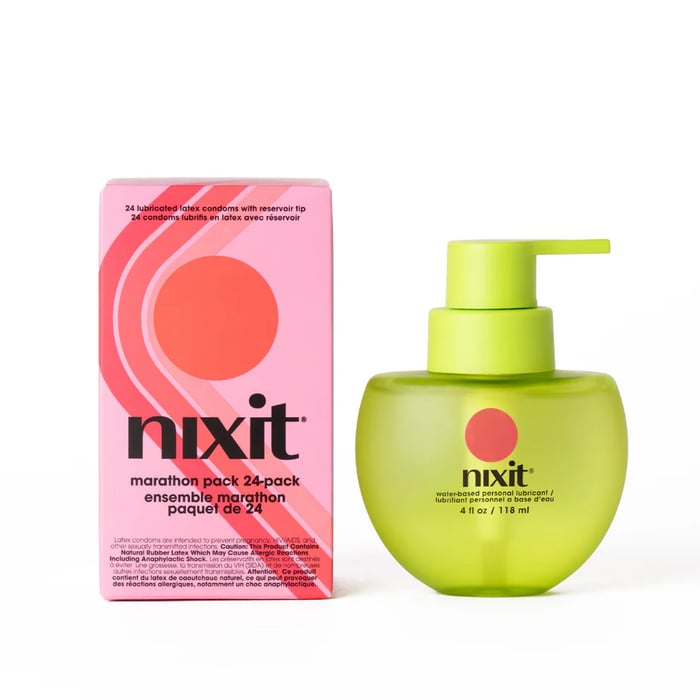 | nixit play safe bundle pairs a pH-balanced, water-based lubricant with body-safe condoms. Both are free from parabens, glycerin, and dyes. ★★★★★ 4.9 out of 5 |
Why Ovulation Can Still Happen Sometimes on Hormonal Birth Control
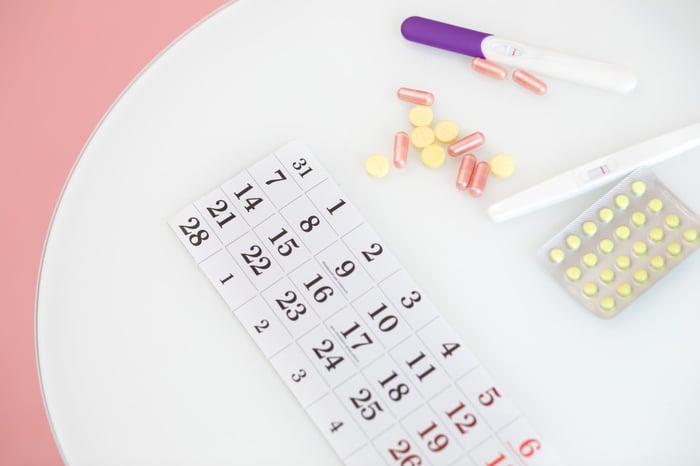
Ovulation can still happen on hormonal birth control, usually due to user error or natural differences in how your body responds. Common reasons include:
- Missed pills, late doses, or using a method past its replacement window
- Differences in body weight, gut absorption, or genetics that affect hormone levels
- Certain illnesses or medications, including some seizure drugs, that reduce effectiveness
- Using a method that isn't designed to fully suppress ovulation
Even with perfect use, two people on the same birth control method may not experience the same level of ovulation suppression.
If you've had unprotected sex after missed doses, you may need emergency contraception or a backup method. If you experience unexpected heavy bleeding, contact an OB-GYN or other healthcare professional.
Key Insight: Missed pills, delayed ring changes, or drug interactions can increase the chance of breakthrough ovulation. Consistency is your strongest safety net. |
The Bottom Line
Do you ovulate on birth control? In many cases, hormonal birth control suppresses ovulation, but the effect depends on the specific method and how consistently it is used.
Most people using hormonal contraceptives consistently, like a combination birth control pill, will not release an egg. However, the degree of suppression varies significantly depending on the different types you use.
Non-hormonal methods do not affect your menstrual cycle at all, allowing your body to continue its natural rhythm.
As you age and approach menopause, your need for birth control pills may shift over time. Regardless of the route you choose, it is important to understand the full range of birth control options available.
Note that using hormonal birth control does not harm long-term fertility or increase the risk of ovarian cancer.
At nixit, we believe understanding your cycle is a meaningful part of body literacy, just like finding the right period care and reproductive health products for your needs.
Frequently Asked Questions
Does hormonal birth control permanently stop ovulation?
No, hormonal birth control only pauses your cycle while you are actively using it. Once you stop taking birth control pills, your natural cycle and fertility will return.
The timeline for your next period varies depending on the type of contraception you use. Most women return to normal ovulation within a single cycle or a few months.
The number of days it takes varies, but most people resume normal parts of their cycle shortly after stopping their birth control pills.
Do you ovulate on the pill?
Most birth control pills work by stopping your ovaries from releasing an egg, so you usually don’t ovulate while taking them. But if you miss pills or take them inconsistently, there’s a chance ovulation can still happen.
Can you ovulate while on the mini pill or combination birth control pill?
Yes, it is possible to ovulate while on the mini‑pill or combination birth control pill, because effectiveness depends on steady hormone levels.
Combination pills usually suppress ovulation very well when taken correctly, but missed pills, late starts, vomiting, diarrhea, or certain medications can lower hormone levels enough that ovulation may occur.
The mini‑pill does not consistently suppress ovulation; instead, it mainly works by thickening cervical mucus and changing the uterine lining. Newer progestin‑only pills suppress ovulation more reliably but still require strict timing.
Even when ovulation happens, both methods still help prevent pregnancy through these extra mechanisms.
Do you ovulate during the placebo week?
Typically no, when the pill has been taken perfectly. The 7-day hormone-free interval is designed to keep ovulation suppressed. The hormones from the active pills prevent the process of a follicle developing into a mature egg.
This keeps your cycle suppressed even during the seven days of inactive pills. You are still protected against pregnancy during this hormone-free interval.
Can you still have ovulation symptoms while on birth control?
Sometimes. Some people still notice mild bloating, breast tenderness, pelvic discomfort, or changes in cervical fluid while using contraception. These symptoms do not always mean a mature egg was released during your cycle.
Does the copper IUD stop ovulation?
No. The copper IUD is non-hormonal, so it does not suppress ovulation or change your natural hormone cycle. Most people using a copper IUD continue to ovulate normally each month.
Can stress or illness affect ovulation while on birth control?
Yes. Severe stress, vomiting, diarrhea, and certain medical conditions can interfere with hormone absorption or consistency. This may slightly increase the chance of breakthrough ovulation, especially if pills are missed or taken late.
Can you still have your period while on a hormonal birth control pill method?
Yes, you can bleed while on a hormonal birth control pill, but it is typically not a "true" period. Because these methods prevent ovulation, the bleeding is known as "withdrawal bleeding" or "breakthrough bleeding." To understand more about why this happens, read our guide on why you might be bleeding on the pill when you shouldn't be.
Can nixit menstrual discs be used while on birth control?
Yes. The nixit menstrual disc can be used whether you are on hormonal birth control, non-hormonal contraception, or no contraception at all. Birth control does not affect whether you can safely use a menstrual cup during your period.
What sexual wellness products can support safer sex while on a birth control method?
Barrier methods and lubricants can add extra protection and comfort. nixit’s play safe bundle includes condoms and a water-based lubricant that can support comfort and protection alongside your regular birth control method.
Are nixit condoms vegan-friendly?
Yes. nixit condoms are made without animal-derived ingredients and are designed to align with nixit’s body-safe, clean-ingredient approach to sexual wellness.