
What if you could predict your energy levels, understand your mood patterns, and plan your life around your body's natural rhythms?
Tracking your cycle gives you that power. Whether you want to manage symptoms, optimize your productivity, or simply understand your body better, tracking your menstrual cycle is one of the most valuable health habits you can develop.
By the end of this guide, you'll know exactly how to start period tracking with simple tools and techniques that fit into your daily routine. Let's get started.
What Is Cycle Tracking? Understanding the Basics
Cycle tracking is the practice of monitoring and recording changes in your body throughout your menstrual cycle. It goes beyond simply marking when your period starts and ends. It's about understanding the complete picture of your cycle.
Your menstrual period is only one phase of your entire menstrual cycle. When you track your cycle, you're paying attention to:
- Period dates: When your bleeding starts and stops
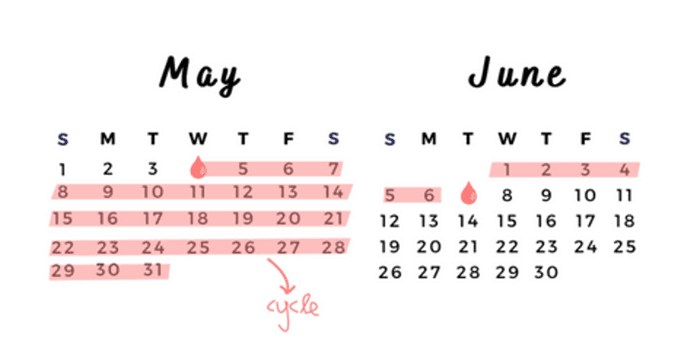
- Cycle length: Your menstrual cycle length is measured from day one of bleeding to the day before your next period starts. The first day of your last period marks the start of your current cycle.
- Physical symptoms: Cramping, bloating, breast tenderness, headaches, or energy changes
- Mood patterns: Emotional shifts, stress levels, or changes in motivation
- Cervical mucus: Changes in discharge throughout your cycle (optional but informative)
- Basal body temperature: Your resting body temperature, which shifts during your cycle (for advanced tracking)
Tracking these patterns in your menstrual cycle helps you understand what's normal for your body versus what might need medical attention. It is a cornerstone of good reproductive health.
The good news? Tracking your menstrual period takes just 1-2 minutes per day. Whether you use a paper calendar, smartphone app, or specialized tracker, the goal is to give you knowledge and control over your health.
Do I Have a Normal or Irregular Cycle?
A normal menstrual cycle varies from person to person. Once you start period tracking, you'll want to know what's considered normal and when to be concerned. When you understand your menstrual period better, you can identify what's normal for you and your own body.
The average menstrual cycle lasts 28 days, but normal ranges vary. One menstrual cycle typically ranges from 21 to 35 days, with bleeding lasting 2 to 7 days. The typical volume of blood lost during menstruation is approximately 30 mL. Any bleeding amount greater than 80 mL is considered abnormal.
Your personal "normal" might fall anywhere within this range, but understanding what a normal menstrual cycle looks like for you might take time. The key is recognizing your baseline patterns so you can spot changes.
Contact your healthcare provider if you notice:
- Severe cramps that prevent you from completing daily tasks
- Soaking through a pad or tampon in less than 2 hours
- Cycles consistently longer than 35 days or shorter than 21 days
- Skipping cycles without explanation
- Bleeding outside your normal menstrual flow
If something feels off, trust your instincts and schedule an appointment with your OB-GYN. Your data will provide valuable information to help diagnose any potential issues.
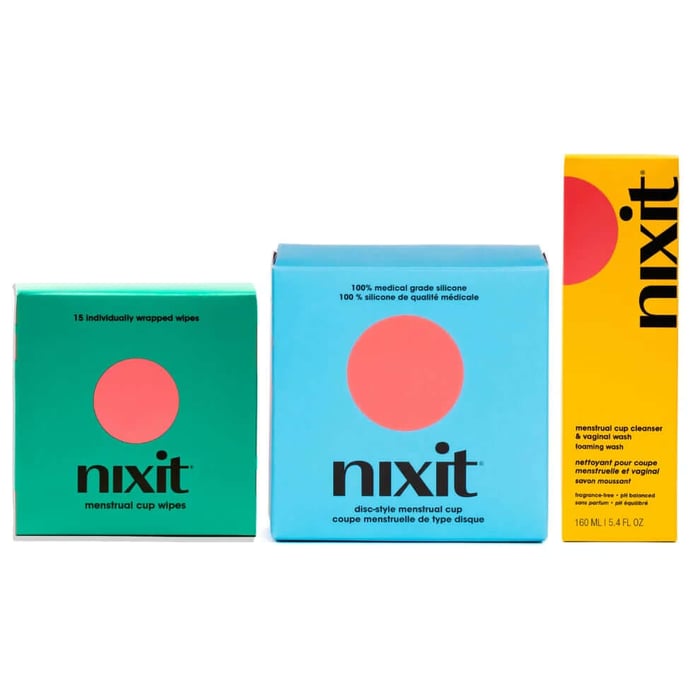
nixit cycle essentials
4 Key Benefits of Period Tracking
Tracking your menstrual cycle isn't just for avoiding period surprises. Because your menstrual cycle affects more than just your period, it's a powerful tool for understanding your overall health and optimizing your daily life.
Here’s why you should care about your cycle data:
1. Predict and Prepare for Your Period
The average menstrual cycle ranges from 21 to 35 days, but yours may differ. Track your pattern to predict when your period will start and plan accordingly. Predicting future periods becomes easier with consistent tracking. Comparing your cycle to the average menstrual cycle also helps establish your baseline.
Preparing for your next period reduces stress and surprises. Knowing when your next period arrives helps you plan ahead. You can estimate your next period by adding your average cycle length to your last period start date.
2. Monitor Your Health Over Time
Your menstrual cycle is a vital sign like blood pressure. Tracking helps you spot changes early and provides documented data to share with your healthcare provider for faster, more accurate diagnoses. Monitoring your menstrual cycle is essential for reproductive health maintenance.
3. Understand Your Energy and Mood Patterns
Hormones fluctuate throughout your cycle, affecting energy, focus, and mood. Tracking helps you identify high-energy days and when to expect signs of PMS, fatigue, irritability, or symptoms like bloating. Schedule demanding tasks during peak times and plan rest when needed.
4. Optimize Your Workplace Performance
Understanding your menstrual cycle helps you work with your body, not against it. Schedule presentations and challenging projects during peak performance days, and plan administrative work during lower-energy periods.
Simple Tools and Techniques for Cycle Tracking
You don't need complicated equipment to start tracking your cycle. A period tracker is a good starting point that helps you stay organized and informed. Here are the most effective methods to help you monitor patterns and record data.
Method | Best For | Pros | Cons |
|---|---|---|---|
Tracking Apps | Digital convenience | Automatic predictions, trend analysis, reminders | Requires smartphone, potential privacy concerns |
Paper Calendar/Journal | Hands-on tracking | No technology needed, fully private, customizable | Requires manual calculations |
Symptom Tracking | Detailed health insights | Identifies subtle patterns, comprehensive data | Requires daily attention and consistency |
Digital Tracking Apps
If you prefer digital tools, look for apps that offer symptom logging, customizable notifications, and strong privacy protections. Many apps provide helpful features like cycle predictions, data visualization, and the ability to export your information for medical appointments. A digital period tracker also offers automatic calculations.
Paper-Based Tracking
A simple calendar or dedicated notebook works perfectly for period tracking. Record these key details each day:
- Period start/end dates
- Flow intensity (light, moderate, heavy)
- Physical symptoms (cramps, bloating, headaches)
- Mood and energy levels
- Sleep quality
Body Symptom Tracking
Pay attention to physical changes throughout your cycle. Key symptoms to monitor include:
- Cervical mucus changes: Texture and amount vary throughout your cycle
- Basal body temperature (BBT): Your resting temperature taken immediately upon waking with a digital thermometer
- Physical symptoms: Breast tenderness, cramping, skin changes
- Energy fluctuations: Note when you feel most and least energized
Choosing Period Products That Help You Track
Believe it or not, the products you use during menstruation can help you track your menstrual cycle better. Using reusable products like the nixit menstrual disc allows you to get up close and personal with your flow and bleeding.
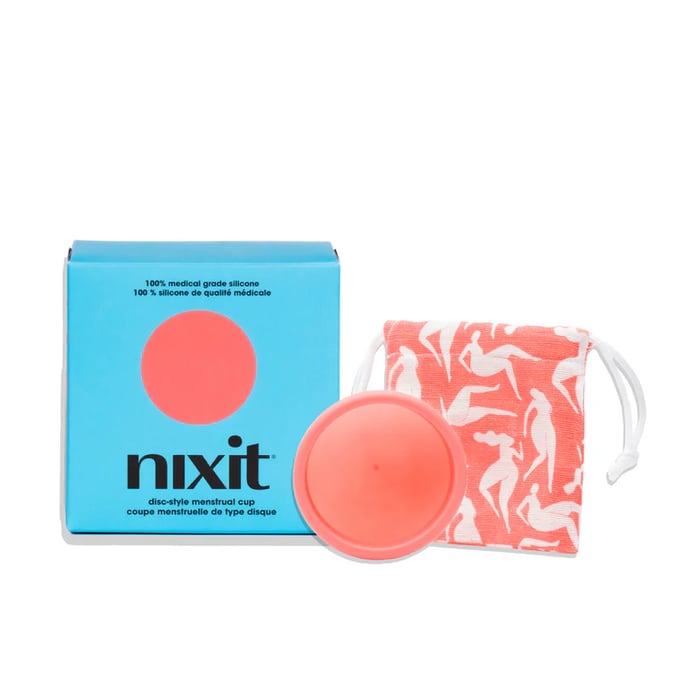
nixit menstrual disc
Menstrual discs allow you to measure your flow volume accurately, helping you determine whether your bleeding is light, moderate, or heavy. This information is valuable for identifying changes in your cycle and discussing concerns with your healthcare provider.
Build Your Tracking Habit: 7-Day Plan
Ready to start tracking? This simple week-long plan will help you build a sustainable tracking routine.
Day | Micro-Action | Why It Matters |
|---|---|---|
1 | Choose a period tracker that fits your lifestyle (app, calendar, or journal) | Selecting your tool upfront removes barriers and makes daily tracking easier |
2 | Record your period start date, flow color, and intensity | Establishes your baseline for what's normal for you |
3 | Log physical symptoms and mood changes | Creates a complete picture of how your cycle affects your body |
4 | Track sleep quality and exercise | Reveals connections between your lifestyle habits and cycle patterns |
5 | Note external factors (stress levels, diet changes, caffeine intake) | Helps identify triggers that may influence your symptoms |
6 | Review your cycle data | Reinforces the habit and helps you spot early patterns |
7 | Set up reminders for continued tracking | Ensures consistency, which leads to more accurate predictions |
The first week is about establishing the routine. After that, tracking becomes second nature. After three cycles, you'll be much better at predicting future periods. Your period tracker also becomes more accurate with consistent use.
Most people find that once they see the patterns emerging in their data, they're motivated to continue. The insights you gain from just a few cycles can be eye-opening, helping you make informed decisions about your health, plan your schedule more effectively, and communicate better with your healthcare provider when needed.
Stick with it for at least three full cycles to get the most accurate picture of your unique patterns.
Start Tracking Your Cycle Today
Tracking your menstrual cycle is one of the simplest ways to understand your body. Taking charge of your reproductive health starts with awareness.
With just a few minutes each day, you'll gain valuable insights that help you plan better and spot potential issues early.
Choose your tracking method, whether it's an app, paper calendar, or detailed symptom logging, and start today. Pair it with products like nixit menstrual disc to track your flow volume accurately and get a complete picture of your cycle.
If you notice concerning patterns in your data, share your tracking records with your healthcare provider. You now have the tools to listen to what your body is telling you.
Frequently Asked Questions
How long until I see real patterns?
Most people spot trends by month 3 of tracking. However, you'll start seeing helpful patterns even after one menstrual cycle.
Can I track if my menstrual periods are super irregular?
Absolutely. Tracking an irregular cycle is especially valuable because it gives your healthcare provider concrete data to identify the root cause faster.
I’m on hormonal birth control. Is this worth tracking?
Yes! It's still useful to track your cycle. Logging withdrawal bleeding, mood shifts, spotting, and any breakthrough symptoms helps you monitor how your body responds to birth control.
Do menstrual cups really help with tracking?
Yes. Reusable products like nixit allow you to measure your actual flow volume, so you're not guessing whether your bleeding is light, moderate, or heavy.
Are period-tracking apps safe for my reproductive health data?
Most reputable apps encrypt user data, but always read the privacy policy before downloading. Look for apps that are GDPR-compliant for stronger privacy protections.
How accurate is basal body-temperature tracking?
When taken at the same time each morning before getting out of bed, BBT tracking is highly accurate and can detect temperature shifts within 0.3°F.
I have PCOS. Will tracking still help?
Definitely. Tracking irregular cycle helps you identify which lifestyle factors (like stress, diet, or exercise) may be affecting your menstrual cycle length and symptoms.
How do I clean a nixit cup or disc?
Rinse with cold water first to prevent staining, then wash with mild, unscented soap. nixit also offers a plant-based cleanser designed specifically for menstrual discs.
Can teens start tracking their menstrual cycle?
Yes. Tracking is a great way for teens to develop body literacy early. Start simple: record period start and end dates, flow intensity, and how you feel.
What's the best way to share my tracking data with my doctor?
Your doctor will always ask about your last period. Most tracking apps allow you to export your data as a PDF or chart. If you use paper tracking, take a photo or bring your calendar to your appointment. Focus on sharing cycle length, flow patterns, and any concerning symptoms.