Choosing between water-based and silicone-based lubricants depends on your needs. Silicone offers long-lasting performance for extended or water-based activities, while water-based formulas provide easy cleanup, broad compatibility with condoms and most toys, and a natural feel. Prioritize ingredient transparency, sensitivity, and compatibility to find the best option for your body.
Navigating the lubricant market means understanding the key differences between formulas and ingredients. This guide explores texture, longevity, cleanup effort, and barrier materials so consumers make an educated choice. Water-based lubricants and silicone-based lubricants offer distinct benefits worth analyzing.
Comparing Silicone and Water-Based Lubricants
Both types have their strengths - the right one depends on how you plan to use it. This section walks through how silicone and water-based lubes compare on feel, how long they last, cleanup, and compatibility with condoms and toys.
Neither is objectively better. The best one for you comes down to what you're doing, what you're using it with, and how your body responds.
Category | Silicone Based | Water Based |
|---|---|---|
Texture and Feel | Silky, resilient, slick barrier | Lighter, biological moisture absorption |
Longevity | Extended lifespan, fewer reapplications | Subject to ambient drying |
Cleanup | Demands soap, lingers on tissue | Rinses away with ease |
Staining Risk | Elevated risk on textiles | Presents minimal laundry tracking |
Condom Compatibility | Check label for latex safety | Widespread barrier integration |
Toy Compatibility | Avoid with synthetic devices | Safe for most materials |
Menstrual Disc/Cup Use | Not recommended due to degradation | Recommended application process |
Best For | Longer sessions, shower or bath sex | Everyday use, device additions |
Texture and Feel
Silicone-based lubricants maintain a notable slip while reducing surface drag. Because they resist absorption, they often remain effective longer without routine reapplication. Creating a natural feel requires the right components to avoid tacky residue.
Water-based lube delivers a thinner texture that more closely resembles natural vaginal moisture, creating a comfortable feel. For beginners exploring the market or individuals experiencing postpartum stress, this natural-feeling sensation provides soothing relief. It presents a gentle finish blending with the body rather than sitting atop mucous membranes.
Neither option acts as an automatic default for all sexual health needs. However, shoppers wanting a sensitive, moisturizing touch should test a water-based formula first. Simpler formulas with fewer unnecessary additives may help reduce potential irritation for those with sensitive skin or who are prone to yeast infections.
Expected Lifespan
Silicone lubricants are known for their staying power. Because they resist evaporation, they're a popular choice for longer sessions, anal sex, or intimacy in the shower where water can quickly rinse away other formulas.
Water-based lubricants, by comparison, may absorb into the skin or dry out over time depending on body chemistry, friction, and the surrounding environment. Reapplying as needed is completely normal and only takes a few seconds. While they typically require more frequent touch-ups than silicone formulas, many people appreciate their lightweight feel.
The best option depends on how you plan to use it. If you want longer-lasting lubrication with minimal reapplication, a dependable silicone lube may be the better fit. For shorter sessions, vaginal sex, or external play, a quality water-based lube provides reliable lubrication while rinsing away easily with water.
Cleanup, Staining, and Body Safe Maintenance
One of the biggest differences between silicone and water-based lubricants is how they behave during cleanup.
Water-based lubricants are easy to rinse away from the skin with water and mild soap and typically wash out of fabrics during a regular laundry cycle. Their lightweight formula leaves minimal residue, making them a convenient choice for everyday intimacy. They are also less likely to leave marks on sheets, clothing, or other fabrics, reducing the amount of cleanup afterward.
Silicone lubricants are more resistant to water, which helps them last longer during use but also means they generally require more effort to remove. They may need soap and warm water for thorough cleanup and can be more likely to linger on fabrics if not washed promptly.
For those who prefer a simple, low-maintenance routine, water-based lubricants offer an easy cleanup experience without a heavy or greasy feel. They are especially practical for regular use, intimate products, and situations where quick washing and minimal residue are priorities.
A few simple habits can help keep cleanup effortless:
- Keep a towel or wash cloth nearby for quick and easy cleanup.
- Wash intimate products according to the manufacturer's care instructions.
- Store lubricant properly with the cap securely closed.
- Reapply as needed during longer sessions to maintain comfort.
Compatibility with Condoms and Sex Toys
Compatibility is one of the most important factors when choosing a lubricant.
Understanding different condom materials can also help you choose a formula that works well with your preferred protection method. Most water-based lubricants are compatible with latex, polyurethane, and polyisoprene condoms, as well as nearly all sex toy materials. This versatility makes them an excellent everyday option, especially if you regularly use intimate products.
Silicone-based lubricants are generally compatible with latex condoms, but they can degrade silicone products over time - including silicone sex toys, menstrual cups, and menstrual discs. Repeated use of silicone lube on these products causes the surface to become tacky, break down, and lose its shape. Always use water-based lube with silicone toys and menstrual discs. If you're not sure what a toy is made from, check the manufacturer's instructions before pairing it with silicone lube.
By considering both the type of lubricant and the products you're using, you can maximize comfort while helping maintain the longevity of your intimate essentials.
Sensitivity and Ingredients
Most vaginal irritation from lube isn't caused by the base type - it's caused by the additives. Fragrances, glycerin at high concentrations, artificial preservatives, and synthetic dyes are the common culprits. Propylene glycol works for some people but causes issues for others. These additives show up in both silicone and water-based formulas, so the base type alone doesn't tell you whether a lube will suit you.
Ingredient lists matter. A lube that disrupts your pH balance can lead to yeast infections, bacterial vaginosis, or general vaginal irritation. If you're prone to those - or if you have sensitive skin - look for a pH-balanced formula with a short, transparent ingredient list. See our guide on water vs oil-based lube to learn more.
What to look for:
- Fragrance-free and paraben-free
- Short ingredient list with recognizable components
- Soothing additions like aloe vera, or texture ingredients like xanthan gum
- Brands that publish their full formulation and don't hide behind marketing language
If a lube causes burning, itching, or swelling, stop using it and rinse with warm water. Try a different formula - one product working badly doesn't mean lube isn't for you. It usually means one specific ingredient isn't right for your body.
Trust what your body tells you. Discomfort isn't something to push through - it's information.
Choosing the Right Lube for Your Body
At nixit, we believe choosing a lubricant should come down to comfort, compatibility, and what feels right for your body. While silicone-based lubricants can be a great option for certain activities, a water-based lubricant offers the versatility many people look for in their everyday routine.
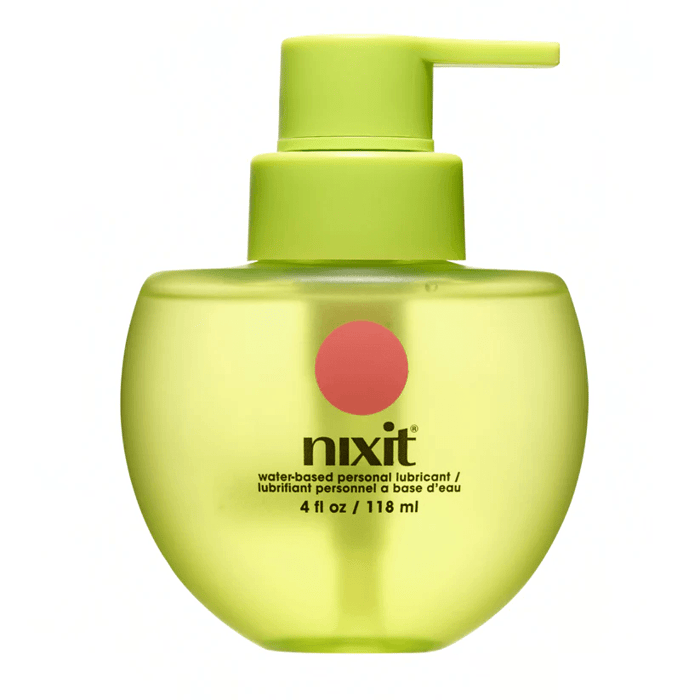
Our water-based personal lubricant is designed to pair seamlessly with your intimate essentials, including condoms, most sex toys, and menstrual discs.
Because it is water-based, our lubricant rinses away easily and leaves behind minimal residue. It is also an aloe vera-based, non-sticky formula that is pH-matched to the vagina, providing a smooth and comfortable feel without unnecessary additives.
Whether you're using it for intimacy, menstrual disc insertion, or simply want a reliable lubricant you can reach for anytime, our water-based formula is designed to make your routine feel easier and more comfortable. If you plan to use personal lubricant with condoms, be sure to check out our guide on the different condom materials to find your perfect pairing.
| nixit water-based personal lubricant is 100% natural, making it incredibly gentle while still delivering a thicker, silky texture that never gets sticky. Compatible with all toys, menstrual cups, and condom types, this is the safe, body-friendly choice you can rely on. |
Choose Confidence with nixit
The best lubricant is the one that fits your body, comfort level, and intended use. Silicone-based lubricants offer a long-lasting, silky glide that can be useful for extended intimacy or water-based activities. However, water-based lubricants provide the versatility many people need for everyday use, with easy cleanup, broad compatibility, and a lightweight feel.
At nixit, we believe personal care should be simple, comfortable, and body-conscious. By choosing a formula that works well with your routine and paying attention to ingredients and compatibility, you can enjoy a smoother, more confident experience every time.
FAQs
What's the difference between silicone and water-based lube?
Silicone lube lasts longer and is water-resistant, making it ideal for extended sessions or shower and bath use. Water-based lube feels lighter, rinses off easily, and is safe with all condoms, sex toys, and menstrual discs. The biggest practical difference: silicone lube can degrade silicone products (toys, discs, cups) over time, while water-based lube works with everything. For everyday use, water-based is the more versatile choice.
How much lubricant should I use at first?
Start with a small amount and add more as needed. Using too much lubricant at once can feel messy, while using too little may not provide enough comfort or reduce friction effectively.
When using condoms, even pre-lubricated options may benefit from a small amount of added lubricant on the outside and tip to reduce friction and improve comfort. If applying lubricant inside the condom, use only a minimal amount to help prevent slippage.
Can lubricant expire?
Yes, lubricants usually have an expiration date printed on the bottle or packaging. Expired lube may change texture, smell unusual, or become less safe to use.
How should lubricant be stored?
Keep lubricant in a cool, dry place away from direct sunlight. Heat and humidity can affect the formula’s consistency and shelf life.
Can lube help if sex is painful?
Lubricant can reduce friction-related discomfort, but it should not be used to ignore ongoing pain. If pain continues, it is best to speak with a healthcare provider.
Is it normal for lube to feel cold when applied?
Yes, many lubricants feel cool at first because they are stored at room temperature. You can warm the bottle in your hands before use for a more comfortable application.
Can lubricant affect fertility or sperm movement?
Yes, some lubricants may affect sperm motility, which can be an important consideration if you are trying to conceive. Look for a lubricant made with hydroxyethylcellulose (HEC), as these formulas are designed to maintain a sperm-friendly environment and have a consistency and viscosity that more closely resemble natural vaginal mucus.
Should I patch test a new lubricant?
Yes, testing a small amount on external skin first can help identify irritation before intimate use. Wait several hours to see if redness, itching, or burning develops.
Can lubricant increase the risk of UTIs?
Lubricant itself does not usually cause UTIs, but irritating formulas or poor hygiene can contribute to discomfort. Urinating after sex and using a gentle formula may help reduce risk.
Is it safe to share a lubricant bottle?
Sharing is generally fine if the bottle does not touch skin, genitals, or toys directly. Pump bottles can be more hygienic than squeeze tubes or jars.
Is nixit lubricant free from glycerin and parabens?
Yes. nixit water-based lubricant is made without glycerin or parabens and uses a thoughtfully selected ingredient list designed for comfortable, everyday use. It is also produced in a GMP and FDA-approved facility to support quality and safety standards throughout the manufacturing process.