
Yes, you usually still ovulate with an IUD, though it depends on the type. Copper IUDs don't affect ovulation, while hormonal IUDs may pause ovulation in some cycles, though most users keep ovulating.
Here's what that means for your period and cycle tracking.
How an IUD Affects Your Menstrual Cycle
IUDs prevent pregnancy in more than one way, and the exact mechanism depends on whether you have a hormonal or copper device. IUDs, or intrauterine devices, are a form of long-acting reversible contraception and one of the most effective forms of birth control available today.
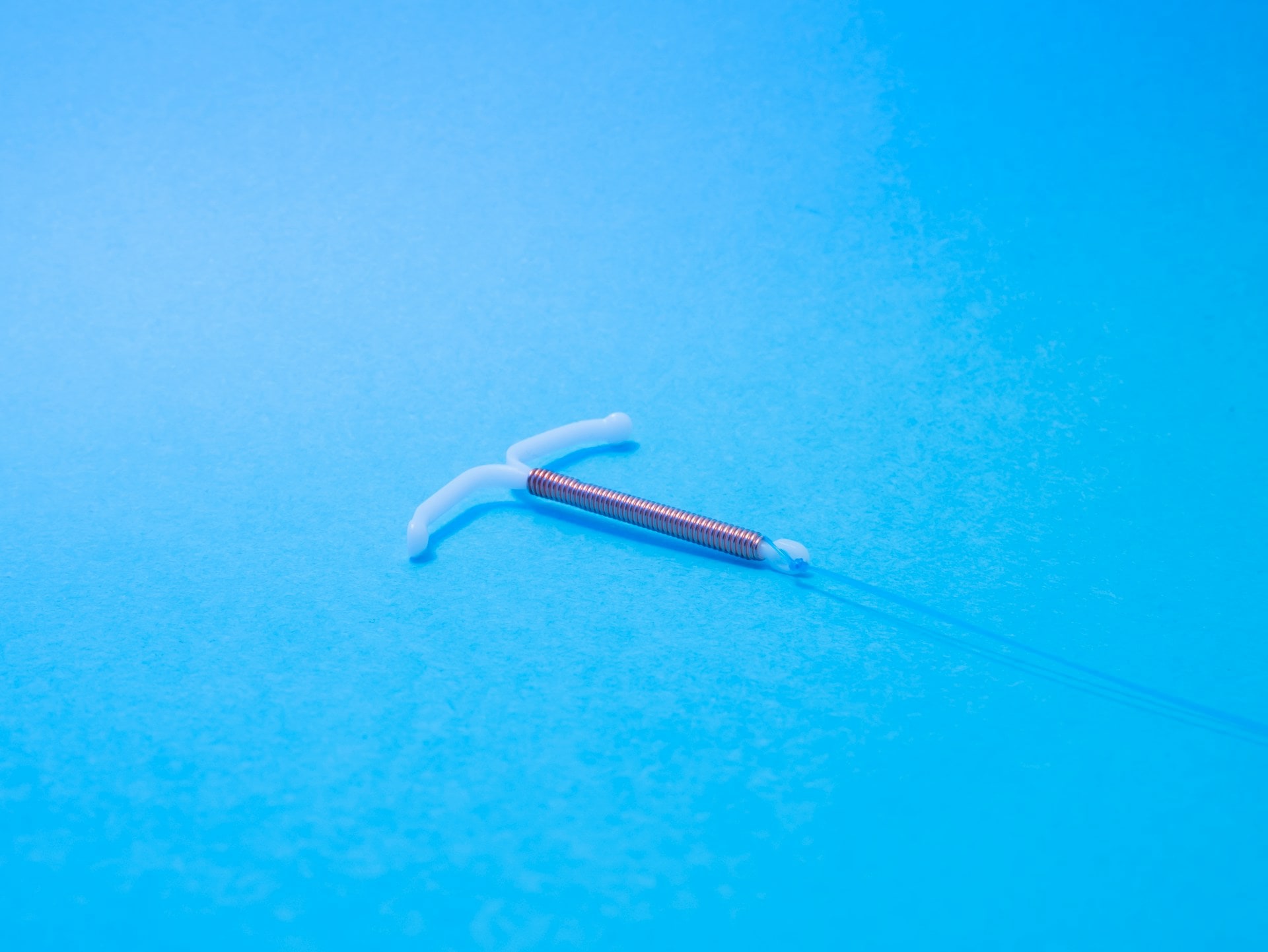
The IUD itself is a small, T-shaped device that a clinician inserts into the uterus, where it can stay in place for years without daily upkeep, unlike some other birth control methods.
Hormonal and copper IUDs work differently. Hormonal IUDs release the hormone progestin, a synthetic version of progesterone. Progestin thickens cervical mucus so sperm can't reach an egg, which is how a hormonal IUD prevents pregnancy without necessarily stopping ovulation.
Copper IUDs contain no hormones. Instead, a small amount of copper triggers an immune response in the uterus that stops sperm from doing their job, so pregnancy is prevented before fertilization has a chance to occur. Some research suggests copper may also interfere with implantation as a secondary safeguard, though its main effect is on sperm.
Because this kind of intrauterine contraception works locally in the uterus, its effect on ovulation is different from methods that act on the whole body. Some birth control methods, like some birth control pills, prevent pregnancy by stopping ovulation instead. IUDs work differently, and the effect on ovulation varies by type.
If you're curious how the pill compares, we've covered whether you still ovulate on birth control in a separate guide.
IUD type | Ovulation effect | Key details |
|---|---|---|
Copper IUD | Doesn't affect the reproductive hormones that trigger the monthly release of an egg | No synthetic hormones; most users keep having normal ovulatory cycles; copper ions impair sperm movement and fertilization rather than stopping ovulation |
Hormonal IUD | May suppress ovulation in some cycles, but not reliably enough to count on it for contraception on its own | The hormone released locally usually isn't enough to fully suppress ovulation; people using lower-dose IUDs like Kyleena and Skyla are especially likely to keep ovulating and maintain normal ovarian function |
What Period Changes Are Normal With an IUD
Bleeding patterns shift depending on which IUD you choose.
With a copper IUD, you'll still get a period because ovulation continues. Menstrual bleeding often increases for the first three to six months, then eases over time, and cramping tends to follow the same pattern.
With a hormonal IUD, periods tend to get lighter. They can also reduce bleeding or stop menstrual bleeding altogether, which is why hormonal IUDs are sometimes used to treat menorrhagia (heavy menstrual bleeding) or painful periods. Many people notice lighter periods after a few months, and some stop bleeding entirely.
For both types, the first several months are a normal transition window. Spotting and irregular bleeding are among the most common side effects in the first few months as your body adjusts, and this kind of vaginal bleeding usually settles down on its own.
Serious complications, such as uterine perforation during insertion or pelvic infections shortly afterward, carry only a small risk, but they're worth knowing about, so don't ignore anything that feels off.
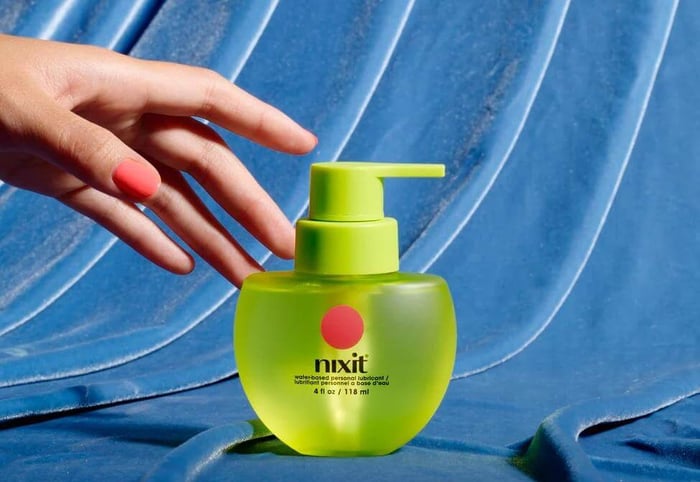
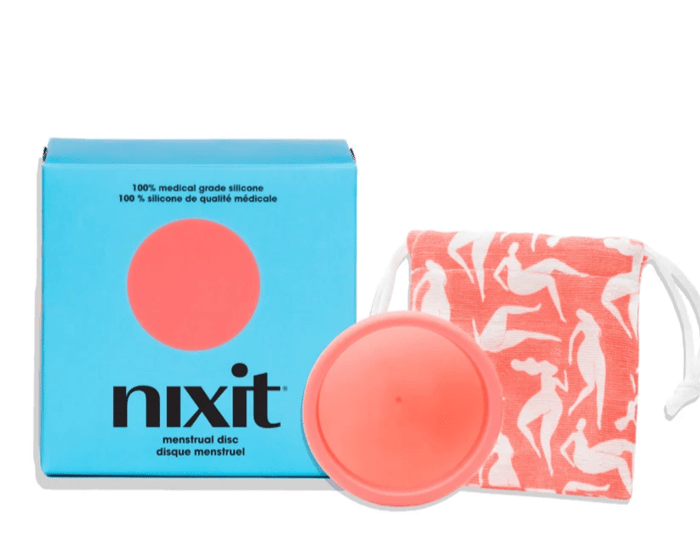
| The nixit menstrual disc is stem-free and suction-free. It sits behind the pubic bone and is made from 100% medical-grade silicone, with up to 70 ml capacity and up to 12 hours of wear. If you have an IUD, check with your healthcare professional about using a disc with your specific device. With soft 100% medical‑grade silicone and up to 70ml capacity, comfort and leak‑free protection are built in. |
When to Check In With a Healthcare Provider
Most changes settle on their own, but a few situations are worth a conversation with your provider.
If heavier or irregular bleeding sticks around well past the three-to-six-month adjustment window, get it checked, ideally with a pelvic exam so your provider can confirm the IUD is still positioned correctly.
A missed period on a copper IUD deserves attention, since the copper IUD shouldn't stop your period. Keep in mind you can ovulate without getting a period, so your provider will likely start with a pregnancy test to rule out pregnancy, which can be helpful for peace of mind either way.
Severe pain, unusual discharge, or signs that your IUD has shifted out of place all call for a professional evaluation, since pregnancies that do occur with an IUD in place carry a higher relative chance of being an ectopic pregnancy.
You may also have questions about fertility. Neither the copper nor the hormonal IUD delays your return to fertility. Most people can get pregnant again within weeks of having their IUD removed, once the hormone clears their system (for hormonal types) or right away (for copper).
Your own provider is the best source of information about your specific situation.
Warning/Important: A missed period on a copper IUD should not be ignored. Since copper IUDs do not stop ovulation or periods, see your provider to rule out pregnancy or other issues if bleeding disappears. |
Tracking Your Cycle While Using an IUD

Even when your flow is lighter or absent, ovulation may continue. It's nearly impossible to feel ovulation happening from the inside, so tracking helps you learn your own pattern rather than guessing.
Watch a few signs, all confirmed by Cleveland Clinic:
- Cervical mucus often turns clear and stretchy just before ovulation.
- Basal body temperature rises slightly, typically half a degree to a full degree, after ovulation.
- An LH surge can be picked up with ovulation test strips.
All three signs can still appear while you're on an IUD.
Logging your bleeding and spotting builds a personal baseline. Once you know what's typical for you, it's far easier to notice when something feels off.
Tuning into your cycle this way is part of a bigger habit: understanding your body and reconnecting with its rhythms throughout your life. See our guide on how to start cycle tracking to learn more.
Pro Tip: Even with a lighter or absent period, track cervical mucus, basal body temperature, and LH surge. Logging bleeding, spotting, and these signs builds a baseline so changes stand out quickly. |
Managing Your Period With nixit
If your IUD gives you a lighter flow or an unpredictable one, the right product makes managing your period simpler. The nixit menstrual disc is a suction-free, reusable, BPA-free menstrual product that conforms to fit you. Period care is made simple, so you can reconnect with your cycle and your body.
Take charge of your cycle. Explore our full period care collection to manage your period comfortably and confidently, whatever your IUD.
Frequently Asked Questions
Can you ovulate with a hormonal IUD?
Hormone-releasing IUDs might block ovulation in some cycles, especially in the first year, but most users keep ovulating. With lower-dose IUDs, the chances of ovulation are higher than with Mirena.
Does a copper IUD stop ovulation?
No. Copper IUDs do not contain hormones and generally do not suppress ovulation. Your bleeding pattern may still change after insertion, so speak with your healthcare professional about changes that concern you.
Will I still get a period with an IUD?
With a copper IUD, yes. Hormonal IUD users often see lighter periods, and some see menstruation reduced or stopped altogether.
How quickly does fertility return after IUD removal?
IUDs don't impair long-term fertility. Whether copper or hormonal, neither delays your return to fertility.
Can I use a menstrual disc with an IUD?
nixit’s menstrual disc is IUD-compatible. Consult your healthcare professional before first use about your particular IUD. See our guide one using a menstrual disc with an IUD to learn more.
Can an IUD be used as emergency contraception?
Yes. A copper IUD is one of the most effective forms of emergency contraception when inserted within five days of unprotected sex, and it then continues working as regular birth control afterward.
Does an IUD protect against sexually transmitted infections?
No. IUDs are highly effective at preventing pregnancy, but they don't protect against sexually transmitted infections, so a barrier method like a condom is still worth using if that's a concern.
What are the risks of getting an IUD?
IUDs are considered one of the most effective birth control methods, but like any method, they carry some risk. Uterine perforation during insertion and pelvic infections in the weeks afterward are uncommon but possible, which is why insertion and removal should always be done by a trained clinician.
How long can an IUD stay in place?
Hormonal IUDs are approved for up to eight years, depending on the brand, while copper IUDs are approved for up to 10 years. Your provider can help you decide what fits your plans.
How long can I wear the nixit menstrual disc?
The nixit menstrual disc offers up to 12 hours of leak-free wear before it needs to be emptied and rinsed, whether or not you also have an IUD.