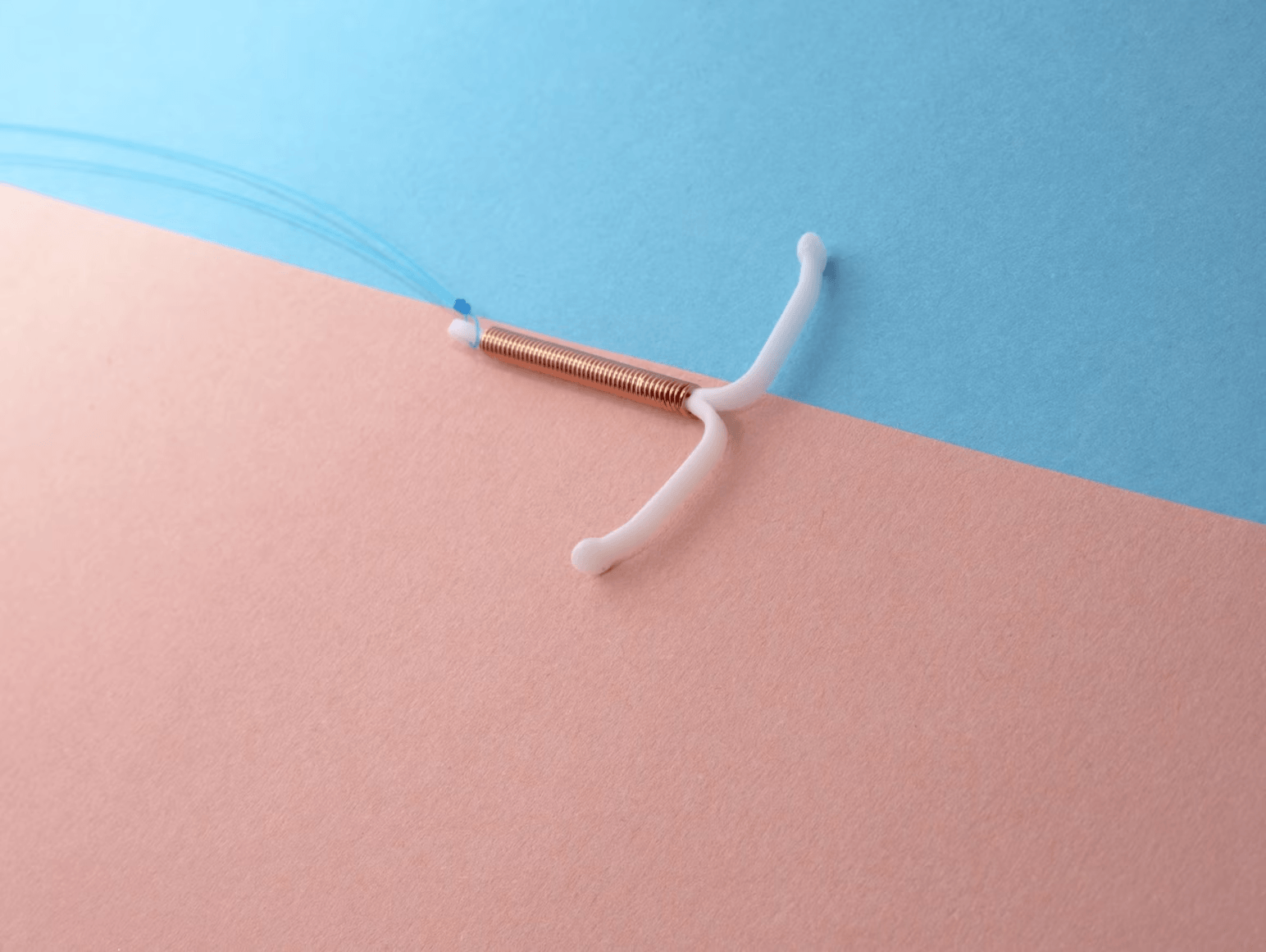
Wondering if you can use a menstrual disc with an IUD? In most cases, you can, but there are a few things worth knowing first. From IUD strings and removal techniques to potential risks, this guide covers what to keep in mind so you can use both comfortably and confidently.
How Menstrual Discs and IUDs Work
A menstrual disc is positioned high inside the vaginal canal. The back edge rests in the vaginal fornix (the space right behind the cervix) to catch fluid, while the front rim is pushed up and tucked securely behind the pubic bone.
An IUD (intrauterine device), whether it's a copper device or a hormonal IUD, is placed inside the uterus. Its strings extend through the cervix into the vagina, allowing a healthcare provider to check and remove it later.
So the two occupy different spaces, and normal wear doesn’t put pressure on the device. The one moment they come close is removal, when your fingers pass through the vagina near the IUD strings.
Is It Safe to Use a Menstrual Disc with an IUD?

For most people, yes. But "safe" isn't the same as "risk-free for everyone."
A few situations call for extra caution: a recent placement, strings that feel different than they used to, or a personal history of IUD expulsion. If any of these apply to you, mention it to your health provider before combining disc use with your IUD.
How Long to Wait After IUD Insertion
Timing matters too. Expulsion risk is highest in the first year after placement, and delaying internal menstrual product use for a few weeks after insertion is a common manufacturer recommendation. That waiting period lets your body adjust and gives you a clearer sense of what’s normal for you.
Menstrual Disc and IUD Risks to Know
The risks of using a disc with an IUD cluster around a single moment: removal.
Catching IUD Strings During Menstrual Disc Removal
The main risk is accidentally catching an IUD string with your finger or the disc rim on the way out. If you then pull, it could tug the IUD out of position or cause expulsion, which raises your risk of pregnancy.
To avoid this, hook a finger under the front rim, untuck it from behind your pubic bone, and guide the disc out keeping it level so it doesn’t spill.
Reach for the rim at the front rather than groping toward the back of the vaginal canal, and stay relaxed through the whole removal. The more relaxed you are, the easier insertion and removal become. Slow breathing and consciously releasing your pelvic floor make the rim easier to find.
If the disc feels stuck, stop and reposition rather than pulling harder.
IUD Expulsion: What the Menstrual Cup Research Means for Disc Users
Nearly all the research here is on menstrual cups rather than discs, and the difference matters. Cups stay in place with suction. In a 2024 randomized copper IUD trial, 15.8% of cup users had an expulsion within 12 months compared with 5.0% of non-users, though after adjustment the increased odds held for only one of the two devices studied.
Researchers have suggested two explanations: strings being pulled by accident during removal, or the downward suction of the cup tugging on them. Neither has been confirmed, and no published study has looked at discs specifically.
The nixit disc doesn't work by suction. It sits in your vaginal fornix, held in place by your anatomy, not a seal, and it comes out by untucking the front rim from behind your pubic bone, not by reaching up toward your cervix.
Missing Early Warning Signs of IUD Displacement or Expulsion
Feeling your IUD strings near your cervix is normal. What's worth a call to your provider is a change: strings that suddenly feel longer or shorter than before, strings you can no longer find, being able to feel any part of the device itself rather than just the threads, or severe cramping and bleeding that doesn't match your usual pattern.
To run a check, wash your hands, then get into a comfortable position. Try squatting over the toilet on your tiptoes, or sitting with your legs apart and your pelvis tilted up. Reach up to the top of your vagina with clean fingers and feel for the two threads. Don’t pull on them; you’re only checking whether they feel the way they usually do.
While you’re building the habit, checking a little more often than usual isn’t overkill. According to Mayo Clinic, an IUD that has shifted can also cause new cramping, changes in bleeding, or discomfort during sex, so those symptoms are worth a call too.
If Removal Feels Difficult
Your first time removing a disc might feel a little awkward. That’s normal. It’s trickier than removing a tampon or a cup because there’s no string or stem to pull on. If that happens, pause, reset, and try again. Also, be sure to check out our guide on what to expect with a menstrual disc.
Stop and check in with your provider if you notice sharp pain, strong resistance, or anything that feels distinctly wrong.
One note on comfort: if you use lubricant during insertion, stick with a water-based one. Oil-based and silicone-based lubricants will degrade and break down the silicone material of your cup or disc over time, so they’re worth avoiding with any silicone disc or cup, not just one particular brand.
Why nixit Can Be a Comfortable Option for IUD Users

A no-suction design has real appeal if you're using an IUD. Because nixit doesn't rely on suction to stay in place, there's no seal to break and no pressure change near the cervix during removal.
The disc is made from soft, medical-grade silicone in a one-size-fits-most shape, so there's no sizing decision to make.
Beyond the IUD-specific angle, a reusable disc is also more cost-effective than disposable pads or tampons over time. nixit's disc offers up to 12 hours of wear and moves with you through workouts, sleep, and period sex. It's made from BPA-free, medical-grade silicone.
If you're considering a disc alongside your IUD, start with a conversation with your doctor, especially if your IUD is recent or your last thread check felt different from the usual.
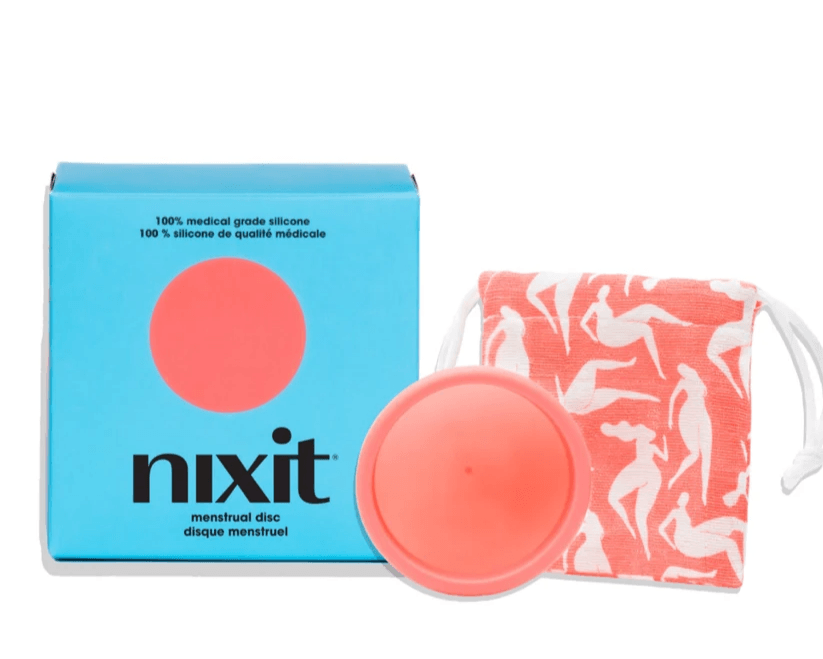
The nixit menstrual disc is suction‑free and sits behind the pubic bone. With soft 100% medical‑grade silicone and up to 70ml capacity, comfort and leak‑free protection are built in. |
Take Control of Your Period Care
Using a menstrual disc alongside an IUD comes down to a few habits: know where your strings normally sit, check them on a regular schedule, and release a disc from the front rim instead of pulling it straight out.
If you're ready to try a suction-free disc built with these habits in mind, explore nixit's period care collection to find the disc, wash, and wipes that fit your routine.
FAQs
Can I feel my IUD strings while wearing a menstrual disc?
Yes. You might notice them slightly during insertion or removal, since both sit in the same general area of the vaginal canal. Feeling the strings themselves is normal; what matters is whether they feel different from your usual baseline.
Should I tell my gynecologist I’m using a menstrual disc at my IUD follow-up appointment?
Yes. Mention it during your string check or follow-up visit, especially if it’s your first cycle using a disc with your IUD. Your provider can confirm your IUD is properly positioned, check that your threads are trimmed to a normal length, and give you personalized removal tips.
What should I do if I think I accidentally pulled my IUD strings while removing my menstrual disc?
Stop using the disc immediately and avoid relying on your IUD for contraception until you’ve been checked. This also applies if you’re a menstrual cup user.
Can I swim or dive with a menstrual disc and an IUD?
Yes, a properly placed disc stays secure through swimming and diving. Just confirm the disc feels snug before you get in the water.
Are nixit lubricants glycerin- and paraben-free?
Yes, nixit’s water-based lubricant is formulated without glycerin, parabens, or sugar. It’s designed to be gentle enough for regular use alongside silicone period products.
What material is the nixit menstrual disc made from?
The nixit disc is made from soft, 100% medical-grade, BPA-free silicone.
How long can I wear the nixit menstrual disc?
nixit’s disc can be worn for up to 12 hours at a time. Most people remove and rinse it around twice a day, depending on flow.
How do I clean and reuse the nixit menstrual disc?
The nixit disc is reusable, so rinse it with water between wears and wash it with mild soap or nixit’s wash at the end of each cycle. Between cycles, store it in its pouch until you need it again.
Should I cut my IUD strings shorter if I use a menstrual cup?
Some manufacturers suggest it. In a 2023 systematic review of five menstrual cup brands, three listed trimming IUD strings among their safety advice, alongside checking string position after each period and delaying cup use after IUD insertion. But no study has tested whether shorter strings actually reduce expulsion.
The same review called for trials to establish whether any of those measures work. String length isn't a free choice either: your provider trims the threads at placement so you can feel them during a self-check, and threads trimmed too short are harder to find. If you use a cup and want to shorten them, that's a conversation for your provider, not something to do yourself.
What is unintentional IUD expulsion, and how would I know it happened?
Unintentional IUD expulsion is when the device slips out of the uterus on its own, partly or completely, without anyone removing it.
Mayo Clinic puts the overall risk at 3-6% for a hormonal IUD and 3-10% for a copper IUD. The signs are the same ones worth checking for after any period: threads that feel longer or shorter than usual, threads you can't find, being able to feel part of the device itself, new cramping, or a change in your bleeding.
If you suspect it, use backup contraception and contact your provider.