If you’ve been researching reusable menstrual discs, you may have landed on the same two names again and again: nixit and Saalt. Both are made from medical-grade silicone, both promise up to 12 hours of leak-free wear, and both will save you years of buying disposables. On paper, they look pretty similar.
In practice, they’re built around two different ideas about what a disc should be. nixit is one disc, one size, in a softer silicone that flexes around you. Saalt is two sizes - Small and Regular - in a firmer silicone, where the size you pick matters more.
This post walks through how they actually compare: sizing, capacity, softness, lifespan, regulatory side, and IUD compatibility. Unlike menstrual cups, menstrual discs sit differently in the vaginal canal, which affects fit, comfort, and removal.
Quick comparison: nixit vs Saalt Disc at a glance
| Feature | nixit | Saalt Disc |
| Reusable or disposable | Reusable | Reusable |
| Material | 100% medical-grade silicone (ultra-soft) | 100% medical-grade silicone (firmer) |
| Capacity | Up to 70 mL | Small: up to 30 mL; Regular: up to 50 mL |
| Sizes | One size (70 mm diameter) | Two sizes (Small 56 mm / Regular 66 mm) |
| Maximum wear time | Up to 12 hours | Up to 12 hours |
| Removal aid | None - rim grip | Finger removal notch |
| Suction-based seal | No | No |
| IUD-compatible | Yes (consult provider) | Yes (consult provider) |
| FDA status | FDA-registered (Class II, 510(k)-exempt) | FDA-registered (Class II, 510(k)-exempt) |
| Authorised for sale by Health Canada | Yes | No |
| Country of manufacture | Made in Canada | Made in USA |
| B Corp certified | No | Yes |
| FSA/HSA eligible | Yes | Yes |
| Approx. price (USD) | ~$42 (one disc) | ~$35 (one disc, either size) |
If you are still deciding between a cup or disc, the fit difference matters more than the name on the box. A reusable menstrual cup usually sits lower in the vaginal canal and seals against the vaginal walls with suction.
Menstrual discs sit higher in the vaginal fornix, tuck behind the pubic bone, and collect menstrual blood without that same suction seal. That is why many shoppers compare cups and discs before choosing. If traditional cups have felt too rigid, or if finding the right menstrual cup has been frustrating, a reusable disc can feel like a very different kind of period care.
Other menstrual discs make similar promises, but their size, softness, rim shape, and removal design can change how they feel in your body.
Fit also depends on cervix height, flow, and how confident you feel with insertion and removal. A low cervix may make a small disc more appealing; a high cervix or heavy flow may push you toward a larger, higher capacity option. Some first time users like a slightly firmer rim because it can be easier to insert through the vaginal opening.
Most users who prioritize comfort, an active lifestyle, or less pressure prefer a disc that flexes with their own bodies. If you want a disc that can auto dump on the toilet, check that detail too, because not every design behaves the same way.
One size vs two sizes: the real difference
The biggest difference between nixit and Saalt isn’t the silicone - it’s how soft the silicone is, and how that softness changes the whole sizing conversation.
nixit is one disc, one size: 70 mm across. One size works because the silicone is incredibly soft and supple - it flexes and shapes itself around you once it’s in. You’re not fitting your body to the disc; the disc fits your body. That’s the whole reason one size is honest here, not a marketing shortcut.
For beginners, this is a real win. No measuring your cervix height. No sizing quizzes. No buying the wrong one and starting over. You just buy nixit.
Saalt sells the disc in two sizes: Saalt Disc Small and Saalt Disc Regular. Saalt Disc Small is 56 mm with a 30 mL capacity. Saalt Disc Regular is 66 mm with a 50 mL capacity. Saalt’s silicone is firmer than nixit’s - the disc keeps its shape more once it’s in - so the size you pick makes a bigger difference to how it feels. Saalt recommends Small for lower cervixes or smaller fornices, Regular for higher cervixes, heavier flow, or larger fornices.
Neither approach is wrong. They reflect different design priorities. nixit’s ultra-soft silicone is what lets one disc fit such a wide range of bodies - the disc adapts to you. Saalt’s firmer silicone holds its shape more, so the size you pick has to do more of the work.
Key insight: “One size fits most” only works if the material can actually do the flexing. nixit’s softness is what makes that real. If you’d rather a firmer disc and you want to pick a size to match your anatomy, Saalt’s two-size system is built for that.
Capacity
On heavy flow days, capacity matters.
- nixit holds up to 70 mL - the top of the disc category, roughly 6 super tampons or 2 standard menstrual cups.
- Saalt Regular holds up to 50 mL (about 5-6 regular tampons’ worth, per Saalt).
- Saalt Small holds up to 30 mL (about 3-4 regular tampons).
For context, the Flex Reusable Disc also reaches 70 mL, and the disposable Flex Disc holds about 60 mL. So nixit shares the top of the category with one reusable competitor, and holds more than either Saalt size.
On lighter days, you’ll empty either disc on a normal schedule and never notice the gap. On heavy days, an extra 20-40 mL is the difference between making it through your workday and changing twice.
Materials and softness
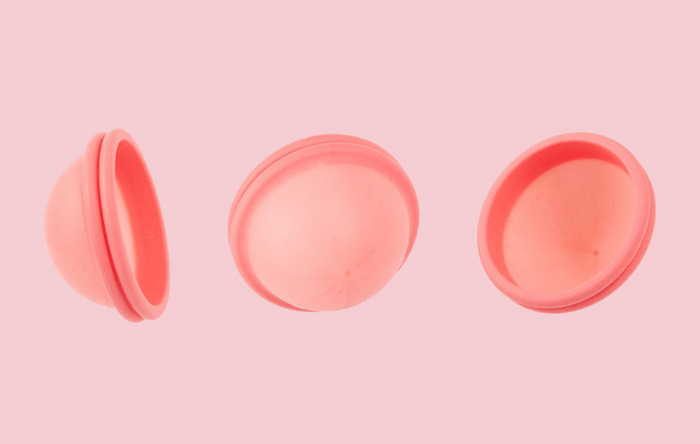
Both discs are medical-grade silicone. Both are BPA-free, latex-free, and free of the usual irritants. The headline difference is how soft they are.
nixit is ultra-soft and supple. It folds easily for insertion, shapes itself around your anatomy once it’s in, and stays out of your way for the full 12 hours. That softness is also what makes the one-size thing work - the disc flexes around you rather than asking you to fit a fixed shape.
Saalt is firmer than nixit. That firmness comes with trade-offs both ways: a firmer rim holds its shape more reliably during insertion, which some people prefer. But it also flexes less once it’s in, which is part of why Saalt offers two sizes.
If softness is what you want - postpartum, sensitive anatomy, or just preference - nixit is the softer disc. If you’d rather have a firmer rim that doesn’t collapse on you, and pick the size that suits your anatomy, Saalt is built for that.
Insertion, removal, and design
Both discs go in the same way: pinch the rim into a fold, slide it down toward your tailbone, and tuck the front edge behind your pubic bone. Neither relies on suction - your anatomy holds the disc in place.
Where the two designs diverge is the rim itself.
- nixit is stem-free, notch-free, and suction-free. To remove it, you hook a finger under the rim. The design is intentionally minimal - the whole rim is the same shape all the way around. For beginners, that’s a quiet advantage we don’t talk about enough: there’s no notch to position correctly on insertion. One less thing to think about while you’re learning.
- Saalt has a finger removal notch built into the rim. The notch gives you a defined place to hook your finger on the way out, which some people find more intuitive once they’re used to it. The trade-off: the notch is a fixed point on the rim, which can shift on insertion if it doesn’t end up where you expect.
Small design difference, two different learning curves.
Pro tip: Whichever disc you go with, give it two or three full cycles before you decide it’s not for you. Almost everyone struggles a little the first time - the learning curve is the product, not you. If you’re new to discs, our guide on how to insert a menstrual disc in under 3 minutes walks through the fold, the angle, and the tuck step by step.
Lifespan and cost over time
Both discs are reusable, and both will pay for themselves over and over compared to disposables. Both pay for themselves in months versus disposables. You’re choosing between two products that each replace hundreds of disposable products over their lifetime.
Regulatory side and certifications
This is where the two brands diverge - and worth a quick honest tour, because most disc reviews skip it.
FDA: same story for both. Both nixit and Saalt are FDA-registered. But here’s the catch: menstrual discs are 510(k)-exempt, which is the FDA’s way of saying “we don’t review these before they go on sale.” Both brands are listed with the FDA, both meet the same U.S. requirements, neither has an edge there.
Health Canada: nixit holds a Class II medical device licence. This one isn’t a rubber stamp. To get the licence, Health Canada actually looks under the hood - the materials, how the disc is made, how it interacts with the body, the safety data. Then they issue a licence and list you on the public registry. nixit went through that review.
Made in Canada: only nixit. nixit is designed and manufactured in Canada. Saalt is made in the USA. If buying Canadian matters to you - and for plenty of our customers it does - that’s a real difference.
B Corp: only Saalt. Saalt has been a Certified B Corporation since 2019.
Both products are FSA/HSA eligible at most major retailers.
IUD compatibility
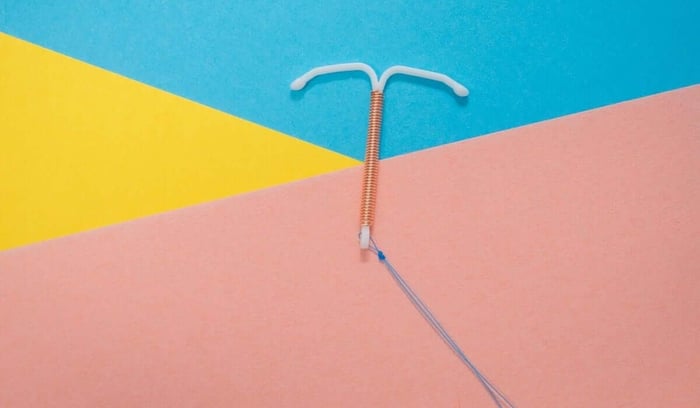
Both nixit and Saalt are designed to be IUD-friendly. Neither uses suction, and a disc sits below your cervix in the vaginal fornix - separate from where an IUD lives in your uterus. That’s what makes both options IUD-compatible.
Both brands say the same things on this:
- Talk to your healthcare provider before using a disc with your IUD.
- Most providers suggest waiting a cycle or two after IUD insertion before starting a disc.
- Keep IUD strings trimmed short if your provider recommends it.
Not a meaningful difference between the two brands.
When Saalt might work for you
We’re going to be honest here: Saalt isn’t the wrong choice for everyone. There are real situations where it makes more sense than nixit.
- You have a low cervix or know that smaller discs work for you. Saalt Small (56 mm) is smaller than nixit’s 70 mm. If you’ve tried a larger disc and it didn’t feel right, Saalt Small may be for you.
- You prefer a firmer rim. If you like a disc that holds its shape on insertion rather than nixit’s ultra-soft flex, Saalt’s firmer silicone is what you’re after.
- You want a removal notch. If hooking a finger into a defined notch feels more intuitive than working the rim, Saalt builds that in.
- B Corp certification and published giving matter to you. Saalt’s B Corp status and 1% revenue donation are a real differentiator on that front.
If any of those describe you, Saalt is a well-built, well-reviewed disc. We’d rather you find the one that actually fits your life than the one with our logo on it.
Why nixit might be the better fit
nixit is built for people who want one really soft, really high-capacity disc that doesn’t ask them to make a sizing decision.
- One product, one size. No quiz, no measurement, no second purchase if you got the size wrong. The ultra-soft silicone is what makes that real - it does the conforming.
- 70 mL capacity. The top of the disc category. For heavy days and longer stretches between changes.
- Ultra-soft, 100% medical-grade silicone. Designed to feel barely-there for the full 12-hour wear window.
- Stem-free, notch-free, suction-free. Sits behind the pubic bone, IUD-compatible (with your provider’s sign-off), and beginner-friendly because there’s no notch to position correctly on the way in.
- FDA-registered and authorised for sale by Health Canada. nixit holds a Class II medical device licence in Canada.
- Designed and made in Canada.
- FSA/HSA eligible at most major retailers.
If soft, simple, and high-capacity are at the top of your list - and you’d rather skip the cervix-measuring step - nixit is built for you.
FAQs
Is the nixit menstrual disc reusable?
Yes. One nixit lasts up to 5 years with proper care. You wash it between uses with a mild soap and store it in its pouch (nixit menstrual disc).
How long does a Saalt disc last?
Saalt rates the disc for up to 10 years with proper care.
Does one size really fit most? Why doesn’t nixit offer multiple sizes?
It does, and here’s why. nixit’s silicone is ultra-soft and pliable, so the disc conforms to your anatomy instead of being a fixed shape you have to fit. One 70 mm size works for most bodies because the material itself does the adapting. Firmer discs need sized options for the same reason; softer discs don’t.
What’s the difference between the nixit and Saalt disc sizes?
nixit comes in one size: 70 mm diameter, 70 mL capacity. Saalt comes in two: Small (56 mm, 30 mL) and Regular (66 mm, 50 mL). nixit is the biggest of the three; Saalt Small is the smallest.
Are both nixit and Saalt IUD-compatible?
Both are designed to be. Neither relies on suction. Your provider should sign off based on your specific IUD and anatomy, and most recommend waiting a cycle or two after IUD insertion before starting a disc.
Which holds more - nixit or Saalt?
nixit holds up to 70 mL, the top of the reusable disc category. Saalt Regular holds up to 50 mL; Saalt Small holds up to 30 mL.
Is nixit softer than the Saalt disc?
Yes. nixit’s silicone is ultra-soft and supple; Saalt’s silicone is firmer. They’re designed around different priorities - nixit prioritizes body-conforming softness, Saalt prioritizes a firmer rim that holds its shape.
Is nixit cheaper than Saalt over time?
Not on the full lifespan claim. Saalt is ~$35 for up to 10 years; nixit is ~$42 for up to 5 years. On cost-per-year, Saalt is the cheaper of the two. Both are dramatically cheaper than disposables.
Is the nixit disc Health Canada-authorised?
Yes. nixit is authorised for sale by Health Canada as a Class II medical device and is listed on Health Canada’s Medical Devices Active Licence Listing. That’s the substantive regulatory review the FDA doesn’t require for menstrual discs in the U.S.
Where are nixit and Saalt made?
nixit is designed and made in Canada. Saalt is made in the USA.
Ready to try a reusable menstrual disc?
If a soft, one-size, 12-hour disc with 70 mL of capacity sounds like what you’ve been looking for, the nixit menstrual disc is built for it. New to discs? Learn how to insert a menstrual disc.
All comparison data in this post - pricing, regulatory status, capacity, and product specs - is accurate as far as we’re aware at time of writing. Brands update their products and listings; check the manufacturer’s website if you want to verify a specific detail before buying.