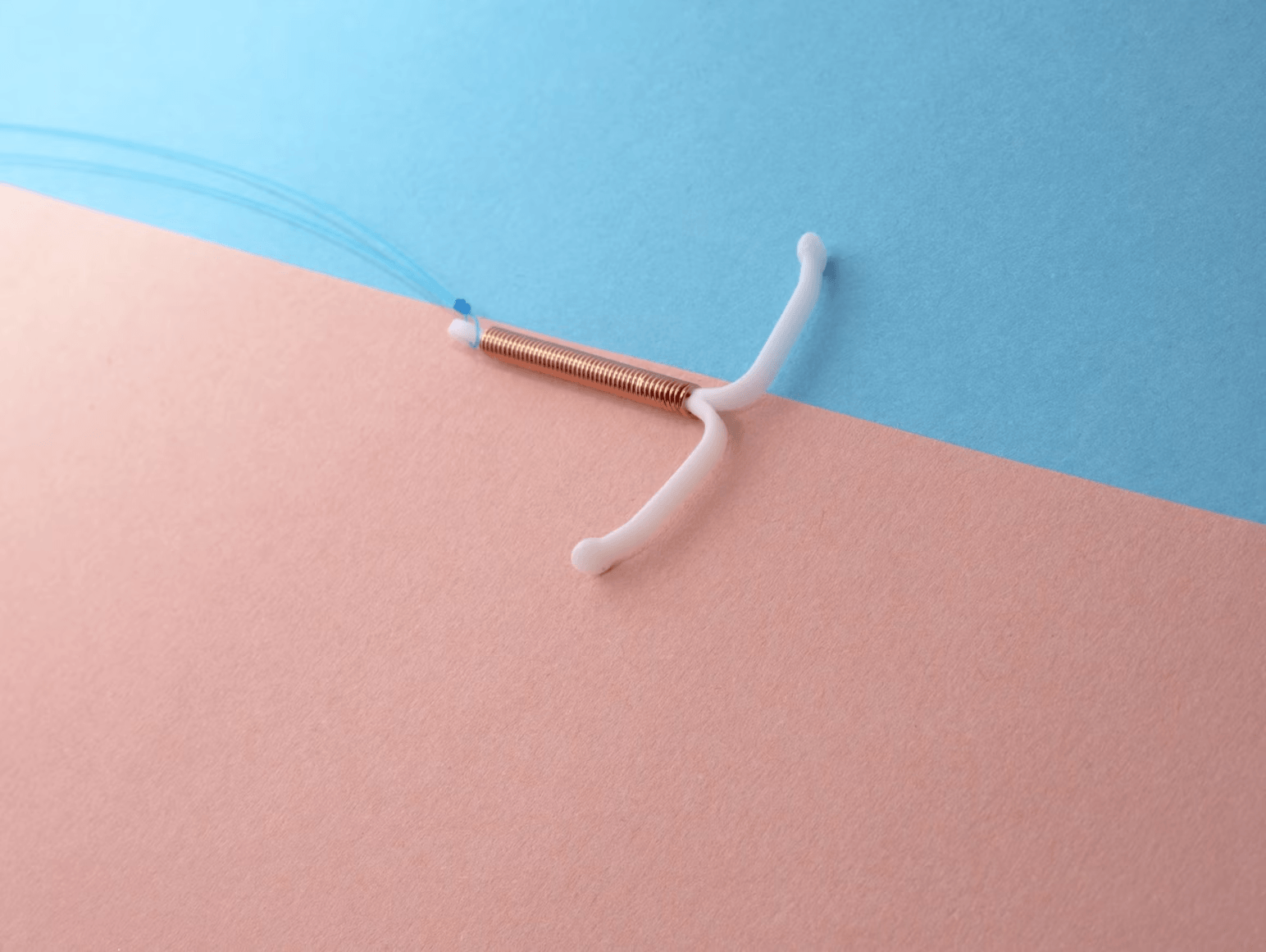
Two reusable menstrual discs. Two Canadian brands. The same goal - 12 hours of leak-free wear that replaces years of disposables. So far, that’s where the comparison ends.
nixit launched in 2019, the first reusable menstrual disc designed and made in Canada. Our approach has always been the same: an ultra-soft silicone rim that flexes to your anatomy, paired with a double-rim design that tucks behind your pubic bone, in a 70 mL disc - the highest capacity in the reusable disc category.
The Diva Disc launched three years later, in 2022, from the makers of the DivaCup. It’s built around a patent-pending Leakproof Shield - a thin membrane that spans the front rim and is designed to physically block leaks at the source. The disc has a firmer rim, an anti-slip pull tab, and a 36 mL capacity.
Both brands solve for no leaks. They just disagree on how.
If you searched for nixit vs diva cup, note that Diva's comparable product here is the Diva Disc, not the original DivaCup menstrual cup. Here’s the side-by-side breakdown.
Quick comparison: nixit vs Diva Disc at a glance
| Feature | nixit | Diva Disc |
| Reusable or disposable | Reusable | Reusable |
| Material | 100% medical-grade silicone | 100% medical-grade silicone |
| Capacity | Up to 70 mL | Up to 36 mL |
| Sizes | One size (70 mm diameter) | One size (68 mm diameter) |
| Maximum wear time | Up to 12 hours | Up to 12 hours |
| Anti-leak design | Ultra-soft silicone + double rim + behind-pubic-bone positioning | Patent-pending Leakproof Shield + sloped basin + firmer rim |
| Removal aid | None - rim grip | Anti-slip pull tab |
| Suction-based seal | No | No |
| IUD-compatible | Yes (consult provider) | Yes (consult provider) |
| FDA status | FDA-registered | FDA-registered |
| Authori]sed for sale by Health Canada | Yes | Yes |
| Country of manufacture | Made in Canada | Made in Canada |
| FSA/HSA eligible | Yes | Yes |
| Approx. price (USD) | ~$42 (one disc) | ~$35 (one disc) |
Before choosing between a menstrual cup or disc, it helps to know what changes in your body. A menstrual cup sits lower in the vaginal canal and creates a suction-based seal around the cervix.
A reusable menstrual disc sits higher in the vaginal fornix, tucked behind the pubic bone, where it collects menstrual fluid without suction. That difference is why cups and discs can feel so different during insertion and removal, even when both are made from medical grade silicone.
If your search started with nixit and Diva Cup, the comparison can be confusing because the Diva Cup is a menstrual cup while the Diva Disc is the brand's reusable disc. If you were actually searching cup or disc, menstrual cup or disc, or reusable menstrual cup versus reusable menstrual disc, this is the right place to sort that out.
Think about cervix height, flow level, comfort with a firmer rim or pull tab, and whether auto-dumping is a feature you want to keep. Heavy flow users may care most about capacity, while first-time users may care more about an easy fold, smooth silicone, and a design that feels comfortable during daily period care.
That matters because Diva is first a menstrual cup brand, and many shoppers arrive here comparing a familiar cup with a newer disc, or comparing other cups and other menstrual discs before deciding.
A cup and disc solve period care in different ways: a cup sits lower, a cup uses suction, and a cup usually needs to be fully removed to empty. A disc sits higher, and the nixit disc is built to collect fluid without that cup-style seal.
That does not mean every cup user should switch. Some people stay with a menstrual cup because they already know the cup-style seal, the lower sit, and the removal routine. Some people prefer the structure of other cups, while others choose a cup or disc based on size, removal, and comfort.
Two approaches to leak prevention

This is the most interesting part of the comparison, so it’s worth starting here.
Diva’s approach is to engineer a barrier. The Leakproof Shield is a thin silicone membrane that spans the front of the rim - imagine a soft sail stretched between the two front edges of the disc.
The idea is that even if the disc shifts down a little or doesn’t sit perfectly behind your pubic bone, the shield is there to catch flow that would otherwise escape.
Add in the sloped basin and the firmer, anti-slip pull tab, and Diva’s design adds up to a structural defense against forward-rim leaks.
There’s a real limit to what a partial-rim shield can do, though. It only covers the front edge. If the disc reaches capacity and overflows, the overflow doesn’t politely route through the front - it can spill from the basin in any direction.
If the disc rotates during wear, the shield rotates with it, so the barrier ends up in a place it wasn’t designed to defend. In other words: the shield helps in one specific failure mode (the disc shifting forward), but a 36 mL disc that fills up or moves around isn’t going to be saved by it.
Fully protected. nixit’s approach is to engineer a fit. No shield, no tab. The leak protection comes from how the disc sits in your body. The ultra-soft silicone flexes around your anatomy so the rim seals snugly against your vaginal walls.
A double-rim design adds a second line of contact, and the disc tucks behind your pubic bone so it sits high enough to hold flow without shifting.
Key insight: A partial-rim shield is a partial solution. It addresses one specific failure mode - the disc shifting forward and down. It doesn’t help when a smaller-capacity disc reaches its limit, rotates during wear, or overflows from the basin.
If leak prevention is the thing you care about most, the bigger question is which design protects you across more failure modes, not whether a structural barrier exists at all.
Auto-dumping: a feature, or a bug?
This is the design difference that catches a lot of people off guard, so it’s worth its own section.
Most reusable menstrual discs have a quiet superpower called auto-dumping (or self-emptying). When you’re sitting on the toilet and if you gently bear down - the way you might do for a bowel movement - the disc tilts slightly, menstrual fluid empties into the toilet, and the disc settles back into place.
You don’t have to remove the disc, you don’t have to wash it, you don’t have to re-insert it. The disc just empties itself several times a day, every day of your period.
For a lot of long-time disc users, this is one of the biggest reasons to compare cups and discs, then choose a disc over most menstrual cups. You can wear the disc for the full 12 hours without thinking about emptying it.
nixit allows auto-dumping. The soft silicone and the lack of a structural barrier mean the basin can drain when you bear down, and the disc resettles afterwards.
The Diva Disc is specifically designed to prevent it. From Diva’s own product page: the Leakproof Shield “prevents most intentional auto-dumping” and the Diva Disc is “the first menstrual disc to design against the self-emptying nature of discs.” That’s not a side effect - it’s the point of the shield.
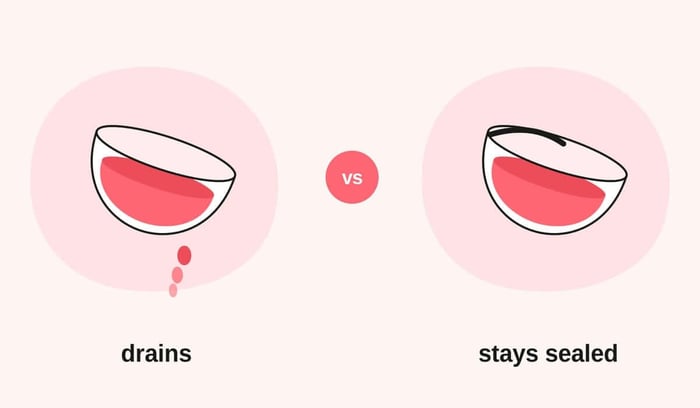
Some people don’t want a disc that empties when they use the toilet; they’d rather have a sealed basin and remove the disc themselves on their own schedule. Some people want self-emptying because it’s the convenience that made them choose a disc in the first place.
Pro tip: If you’ve never used a disc before and you don’t know yet which camp you’re in, default to the one that allows auto-dumping. You can choose not to bear down. You can’t make a disc designed against auto-dumping suddenly start auto-dumping.
Capacity: the biggest gap in the disc category
Of all the reusable discs we compare ourselves to, the gap between nixit and the Diva Disc is the widest.
- nixitholds up to 70 mL- the top of the reusable disc category, equivalent to roughly 6 super tampons or 2 standard menstrual cups.
- Diva Disc holds up to 36 mL- equivalent to about 7 regular tampons of flow, per Diva.
That’s a 34 mL gap. nixit holds nearly twice the volume of the Diva Disc.
For people with a lighter or average flow, this doesn’t matter most days - 36 mL is enough capacity to make it through a normal wear window. For heavy flow days or heavy periods, that extra 34 mL is the difference between a single 12-hour wear and needing to empty mid-afternoon and reset.
If you’ve been let down by smaller-capacity products on day two of your period - or if the appeal of a disc for you is wearing it overnight without thinking about it - the capacity gap is the thing to weigh.
Materials and softness
Both discs, each a reusable alternative to disposable period products, are 100% medical-grade silicone, free of BPA, latex, and the usual irritants.
Where they differ is firmness.
nixit's smooth silicone is engineered to be ultra-soft and supple. The disc folds easily for insertion and shapes itself around you once it’s in. That softness is intentional - it’s the thing that makes nixit’s one-size approach work and the thing that creates the seal against your vaginal walls without needing a structural shield.
The Diva Disc is described by Diva as having a “soft but firm rim” - firm enough to hold its shape during insertion, hold the Leakproof Shield taut across the front, and resist shifting during wear. Diva’s design needs the rim to be more rigid than nixit’s because the shield depends on the rim staying in place.
If softness is what you want most from a reusable disc - postpartum, sensitive anatomy, or a gentler feel all around, nixit is the stronger choice. Tuck the front edge behind your pubic bone. Both are suction free; your anatomy and the shape of the vaginal canal hold the disc in place.
Insertion and Removal
The right menstrual disc should feel secure when you insert it and straightforward when you remove it. If you have used standard menstrual cups before, the lack of suction can be the biggest shift: the disc relies on body positioning, cervix height, and the front rim sitting behind the pubic bone rather than a cup-style seal.
Where they differ is what you’re working with.
For anyone comparing reusable discs, that makes fit, softness, and removal style just as important as capacity.
With nixit, you hook a finger under the rim to remove the disc. The whole rim is the same shape all the way around, so there’s no tab to orient on insertion and nothing inside that you can feel during wear. For beginners, that simplicity is a real win - one less variable to think about.
With the Diva Disc, the pull tab is anti-slip, which makes it easier to grip during removal. Diva positions this as the answer for anyone who’s struggled with rim-grip removal on other discs. The Leakproof Shield doesn’t change how you insert or remove - it sits across the front and folds with the disc.
Pro tip: Whichever disc you choose, give it two or three full cycles before you decide it’s not for you. The first time, almost everyone fumbles - the learning curve is the product, not you. If you’re new to discs, our how to insert a menstrual disc in under 3 minutes guide walks through the fold, the angle, and the tuck step by step
If you want a quick fit check before buying, take a simple measurement of cervix height and compare the disc width or diameter against what usually feels comfortable for your body. A small difference in size can feel large once the disc is inside, especially if you experience pelvic tension or feel pressure with firmer products.
The goal is not a perfect formula; it is to choose the option that makes insertion easier, keeps the angle simple, and feels secure without creating leakage.
There can still be a little trial and error. Discs are cleaner with practice, but the first day can feel messy or annoying while you learn the fold, angle, and tuck.
Compared with pads and tampons, a reusable disc or reusable menstrual cup can reduce bathroom trash and support a more sustainable period routine, but comfort should still come first. If either disc feels bad, painful, or harder to remove, stop and review the fit before continuing.
Lifespan
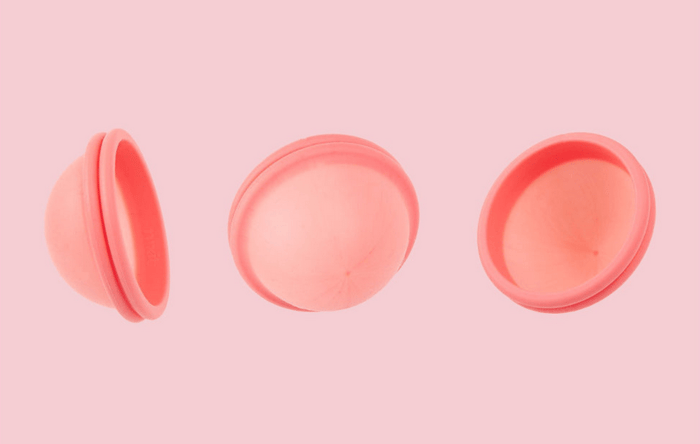
Both discs are reusable for years with proper care. You wash between uses with a mild soap, sterilize once a cycle if you want, and store the disc in its breathable pouch. Either disc will replace hundreds of disposables over its lifetime.
Two Canadian brands, three years apart
This is the only comparison in our reusable-disc series where the country-of-origin question doesn’t separate the two brands. Both nixit and Diva are Canadian-designed and authorised for sale by Health Canada as Class II medical devices.
Where they diverge is timing. nixit launched in 2019 - the first reusable menstrual disc designed and made in Canada. The Diva Disc launched in 2022, three years later, after nixit had already been on the market and in Canadian customers’ hands for several years.
Diva International, based in Kitchener, Ontario, has been making the DivaCup since 2002 - the cup that essentially built the reusable menstrual cup category in Canada. The Diva Disc is the brand’s first move into the reusable disc category, and a relatively recent one.
So if you’re choosing between nixit and Diva for the “buy Canadian” reason - both brands qualify. The differentiators here are everywhere else: capacity, softness, anti-leak design philosophy, whether you want auto-dumping or not, and whether you want a tab and a shield or a clean, tab-free disc.
IUD compatibility
Both nixit and Diva are designed to be IUD-friendly. Neither relies on suction. A disc sits in the vaginal fornix, below your cervix - separate from where an IUD sits inside your uterus. The two products are in different places, doing different jobs.
The usual disclaimers apply:
- Talk to your healthcare provider before using a disc with your IUD.
- Most providers suggest waiting one to two cycles after IUD insertion before starting a disc.
- Keep IUD strings trimmed short if your provider recommends it.
Not a meaningful difference between the two brands.
When Diva might work for you
Honest take: Diva isn’t the wrong choice. There are real situations where it makes more sense than nixit.
- You want the structural leak protection of the Shield. If you’ve leaked with a regular disc before because the disc shifted or didn’t sit perfectly behind your pubic bone, Diva’s Leakproof Shield is engineered specifically for that failure mode.
- You want a defined pull tab. Diva’s anti-slip tab is designed to be findable and easy to grip on removal. If rim-grip removal hasn’t worked for you on other discs, the tab can change the experience.
- You already trust the DivaCup brand. Diva International has been making reusable period products in Canada since 2002 - they essentially built the category. If you’ve been a DivaCup user, the Diva Disc is the same brand, same manufacturing, in a different form.
- You’re shopping at a tighter budget. Diva’s $35 retail (and often-on-sale lower) is at the cheaper end of the reusable disc range.
If any of those describe you, the Diva Disc is a well-built, well-reviewed product. We’d rather you find the disc that actually fits your life than the one with our logo on it.
Why nixit might be the better fit
The nixit menstrual disc is built for people who want a soft, high-capacity reusable disc - and who’d rather solve leaks through fit than through a structural shield. If you’ve had a vaginal birth, have a low cervix, or simply prefer a smoother insertion and removal feel, that softer rim can matter.
- Up to 70 mL of capacity. Nearly double the Diva Disc. The top of the reusable disc category, built for heavy days and longer stretches between changes.
- Ultra-soft, 100% medical-grade silicone. The disc adapts to you, not the other way around.
- Allows auto-dumping. If self-emptying is part of why you want a disc, nixit allows it. The Diva Disc is specifically designed to prevent it.
- Anti-leak by design across more failure modes. Soft silicone seal + double rim + behind-the-pubic-bone positioning, with nothing extra inside. Protection that doesn’t depend on a single front-rim membrane staying in position.
- Tab-free, stem-free, notch-free. No protruding parts, beginner-friendly because there’s no tab to position correctly on the way in.
- The first reusable menstrual disc designed and made in Canada. nixit launched in 2019, three years before the Diva Disc.
- FDA-registered and authorised for sale by Health Canada. nixit holds a Class II medical device license.
- FSA/HSA eligible at most major retailers.
If you want capacity, softness, auto-dumping, and a disc with nothing extra sitting inside you, nixit is built for you. If you want a more controlled basin and a firmer feel, the Diva Disc is the obvious comparison.
FAQs
What is the Leakproof Shield on the Diva Disc?
The Leakproof Shield is a thin silicone membrane that stretches across the front of the Diva Disc’s rim. It’s a patent-pending design feature aimed at preventing leaks if the disc shifts slightly forward and down during wear. It only covers the front of the rim, so it doesn’t help with leaks caused by the disc reaching capacity, rotating, or shifting in other directions.
Does the Diva Disc auto-dump like other discs?
No. The Diva Disc is the only major reusable menstrual disc specifically designed to prevent auto-dumping (self-emptying when you bear down on the toilet). The Leakproof Shield is what blocks it. nixit allows auto-dumping like most other reusable discs.
When did nixit launch in Canada?
nixit launched internationally in February 2019 and in Canada in June 2020 - the first reusable menstrual disc designed and made in Canada. The Diva Disc launched in 2022, three years after nixit.
Which holds more - nixit or Diva?
nixit holds up to 70 mL, the top of the reusable disc category. The Diva Disc holds up to 36 mL. nixit holds nearly twice the volume - the largest gap in the reusable disc category.
Is nixit softer than the Diva Disc?
Yes. nixit’s silicone is engineered to be ultra-soft and supple, so the disc conforms to your anatomy. The Diva Disc is “soft but firm” by Diva’s own description - the rim needs to hold its shape to keep the Leakproof Shield taut.
Are both nixit and Diva made in Canada?
Yes. Diva International is based in Kitchener, Ontario. nixit is also designed and made in Canada. This is the one comparison in our reusable-disc series where both brands share the same country-of-origin and the same Health Canada regulatory status.
Are both nixit and Diva IUD-compatible?
Both are designed to be. Neither relies on suction. A disc sits below your cervix, separate from where an IUD lives in your uterus. Your provider should sign off based on your specific IUD and anatomy, and most recommend waiting one to two cycles after IUD insertion before starting a disc.
How long does the Diva Disc last?
Both nixit and the Diva Disc are reusable for years with proper care. The exact lifespan depends on how you care for the disc - washing between uses, sterilizing periodically, and storing in a breathable pouch.
Is the nixit disc Health Canada-authorised?
Yes. nixit is authorised for sale by Health Canada as a Class II medical device and is listed on Health Canada’s Medical Devices Active license Listing. The Diva Disc holds the same authorisation - this is the one comparison where both brands share the same regulatory status.
What’s the main reason to pick nixit over Diva?
Capacity and softness. nixit holds nearly twice the volume of the Diva Disc and uses an ultra-soft silicone designed to seal against your vaginal walls without needing a structural shield. If you want a higher-capacity, softer disc with nothing extra inside, that’s the case for nixit.
The short version
Two Canadian-made, Health Canada-authorised reusable discs. Two different answers to heavy flow, removal, and leak control. Two different design philosophies. nixit, launched in 2019 as the first reusable menstrual disc designed and made in Canada, engineered fit and softness for leak protection in a 70 mL disc with nothing extra inside - and allows auto-dumping.
Diva, in 2022, took a different route: a structural shield for one specific failure mode, a firmer rim, an anti-slip pull tab, a 36 mL basin, and a design specifically built to prevent self-emptying. If you like cups and discs but want the disc to behave more like a controlled basin, that is the point.
If you are still deciding cup versus disc, think about the day-to-day experience. For some people, a reusable menstrual cup still makes more sense; for others, a reusable menstrual disc is the better fit. People who already prefer period underwear or disposable tampons may simply want a reusable alternative that feels less bulky.
A cup may suit someone who already likes a cup-style seal, while a disc may suit someone who wants no suction. The best menstrual cup for one person is not automatically the best choice for another, and a cup that works in theory can still feel uncomfortable if the size, rim, or removal style is wrong.
Choose a cup if you want cup familiarity; choose a disc if you want the higher, tucked fit and softer feel.
If a soft, high-capacity, shield-free, tab-free disc sounds like what you’ve been looking for, the nixit menstrual disc is built for it. If your search began with period cup, period disc, or reusable alternative, this is still the same decision: cup familiarity or disc flexibility. New to discs? Start with our guide on how to insert a menstrual disc.
All comparison data in this post - pricing, regulatory status, capacity, and product specs - is accurate as far as we’re aware at time of writing. Brands update their products and listings; check the manufacturer’s website if you want to verify a specific detail before buying.