
Condoms rarely break, but when they do, it can be stressful. Most breakages happen because of simple issues like improper use, friction, or exposure to heat or oil-based products. If you’ve ever wondered why condoms fail, you’re definitely not alone.
A few easy techniques can help prevent breakage and reduce your risk of sexually transmitted infections (STIs), giving you total peace of mind. At nixit, we believe intimacy should feel safe, empowering, and completely stigma-free.
By knowing the main causes of condom failure, you can protect yourself from unplanned pregnancies and STIs without missing a beat.
Why Does Unexpected Condom Breakage Happen
To truly understand why condoms break, we need to look at common preparation mistakes. Recognizing these pitfalls lowers your STI risk and is the first step to stress-free sex. Almost 7% of women aged 15 to 44 who were asked about their condom use in the past four weeks said the condom broke or completely fell off during sexual intercourse or withdrawal.
Here are some of the reasons for condom breakage:
- Putting it on incorrectly, like inside out, the wrong size, or trapping air at the tip.
- Using oil-based lubricants, such as coconut oil or petroleum jelly, which quickly weaken latex.
- Exposing condoms to heat, like direct sunlight or a hot wallet, can damage the material.
- Choosing the wrong size can cause too much friction if it’s tight or slipping if it’s loose.
- Double bagging or wearing two condomsat once, which increases friction and almost guarantees a tear.
- Opening the package with sharp objects or rough handling, creating tiny holes or microtears.
- Skipping lubrication, since too little water-based lube increases friction and risk of breakage.
How To Notice a Broken Condom
Sometimes a break is obvious, but other times condom breakage is surprisingly subtle. You might notice a sudden change in sensation, such as a distinct snap, increased friction, or unexpected slipping, if the size is not right.
Visual signs include a rolled-down base ring, leaking semen, or an obvious tear in the condom. If you suspect an issue, inspect the situation immediately.
Do the following:
- Stop and withdraw carefully while holding the base of the condom at the penis to prevent slipping and reduce the risk of a broken condom.
- Inspect visually for obvious rips, tears, or rolled edges from the rough opening.
- Do a water fill test by filling the used condom with tap water for 20 seconds.
Stay calm during this process to avoid escalating anxiety. Identifying the problem quickly is your best defense against unwanted consequences. By remaining level-headed, you and your partner can handle the situation responsibly.
Pro Tip: Unsure if there is a micro tear or hole? Perform a quick water fill test by filling the used condom with tap water. Hidden punctures will instantly reveal themselves through tiny leaks. |
What To Do After a Broken Condom
If a condom breaks, stay calm. You’ve been exposed to the risks of unprotected sex, but acting quickly can help. Follow this emergency plan to protect your sexual health, avoid an STI, and prevent pregnancy.
Consider emergency contraception pills, which are effective up to 5 days post-incident. If you suspect exposure, access Post-Exposure Prophylaxis for HIV within 72 hours. Book a full STI test panel after the appropriate incubation window period. Testing for an STI is vital. Most incidents of condom breakage are entirely manageable when you act fast and communicate openly.
Action Needed | Timeline |
|---|---|
Emergency Contraception | Within 3 to 5 days |
PEP HIV Prevention | Within 72 hours maximum |
STI Test Panel | Varies by infection: 2 weeks for chlamydia/gonorrhea; 1-3 months for HIV/syphilis; recommend immediate baseline test and follow-up testing |
Pregnancy Test | 14-21 days post-incident (or first day of missed period) |
5 Ways To Prevent Condom Breakage
Prevention is always better than panic. Why do condoms break? The answer often lies in simple mistakes that are completely avoidable. Adopting the right mindset and mastering these techniques will keep you and your partner fully protected.
Follow these steps carefully to ensure safety and reduce the chances of a tear.
1. Choose The Right Size
Condoms are not one size fits all. Measure the penis girth to find the right size and circumference. A simple condom fit test ensures the latex rolls down the penis easily without squeezing uncomfortably or sliding off if too loose.
Taking the time to measure correctly eliminates guesswork and ensures maximum comfort during intercourse. If it feels too loose, try a smaller size. Exploring different condom types can help you find the best fit and material for your needs.
2. Store Them Correctly
When storing condoms, keep them in a cool, dry place away from direct sunlight, heat, and friction. Ditch the wallet storage immediately to protect the latex material. Storing condoms in a wallet causes friction.
Never leave them in a hot glove compartment because exposure to heat and extreme temperature fluctuations weakens the latex structure significantly. Always prioritize keeping them in a cool, dry place like a dedicated drawer or an indoor bedside table.
3. Use The Right Lube
Friction is the ultimate enemy of latex. Always pair your condoms with a high-quality water-based lubricant to reduce friction. Not sure which type to choose? Our guide on water vs oil-based lube breaks down the key differences in simple terms. Apply extra lube for anal sex or longer marathon sessions to maintain strict safety against STI transmission. Adding extra lubrication and lube not only prevents condom breakage but also makes sex more pleasurable for both partners.
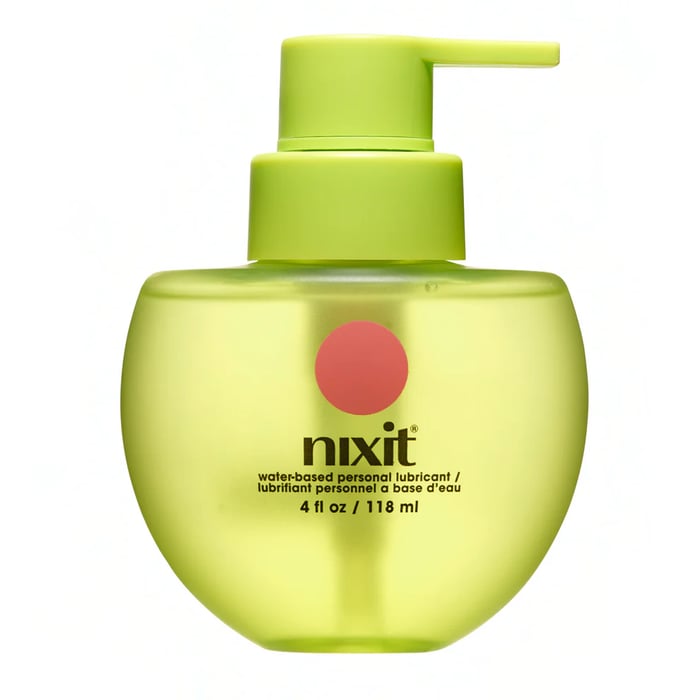
nixit water-based personal lubricant
4. Put It On Correctly And Check The Expiration Date
Proper application changes everything for your safety. Always check the expiration date before opening the wrapper. An expired latex condom is prone to breaking. Carefully handle the opening of the package, determine which way it unrolls, and pinch the tip to push out trapped air.
Leave a half-inch of space at the tip of the penis to collect semen and roll it all the way down to the base to avoid excess tension.
5. Handle With Care And Avoid Two Condoms
Push the condom to one side of the foil before tearing the opposite corner during opening. Never use your teeth, scissors, or any sharp objects to open the package, and never more than one condom at once. File down any sharp nails beforehand to avoid accidental punctures.
Key Insight: Friction is the ultimate enemy of latex. By securing the correct fit and using generous amounts of water-based lubricant, you eliminate the two biggest culprits behind unexpected breakage. |
Understanding Condom Effectiveness
Understanding the data helps ease anxiety and builds ultimate confidence. Here is how condoms stack up against other contraceptive methods.
Method | Effectiveness | STI Protection |
Male Condoms | 98% | ✓ Yes |
IUD (Hormonal/Copper) | 99% | ✗ No |
Implant | 99% | ✗ No |
Birth Control Pills | 93% | ✗ No |
Female Condoms | 79% | ✓ Yes |
Withdrawal | 78% | ✗ No |
Condoms have had a significant impact on the global HIV epidemic; model simulations have estimated that increased condom use since 1990 has averted approximately 117 million new HIV infections.
Using a high-quality condom properly drastically improves these statistics and lowers sexually transmitted infection rates. Education, picking the right size, checking the expiry date, and proper technique are the cornerstones of effective infection prevention. Knowing the facts empowers you to make the best choices for your personal reproductive health.
Choosing vegan condoms free from parabens, glycerin, and other harmful chemicals also reduces the risk of irritation and allergic reactions, making sex safer and more comfortable.
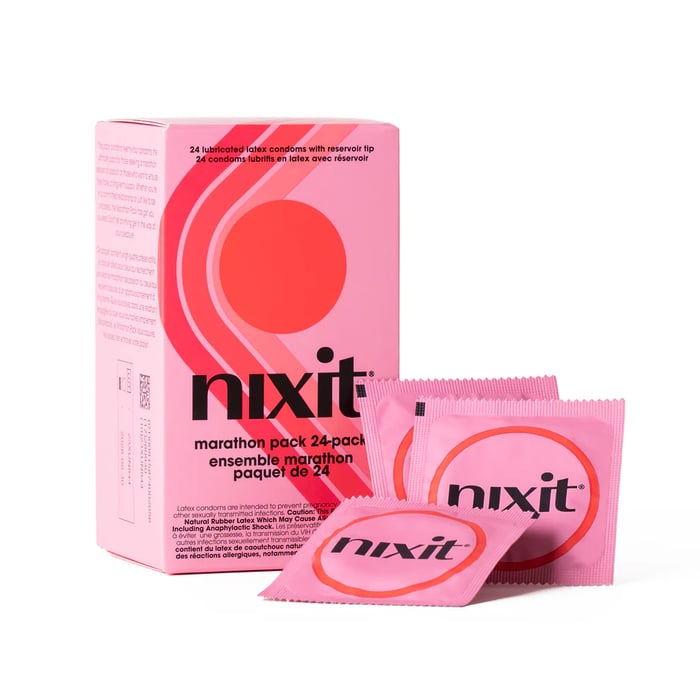
nixit condoms
Why Condoms Break (And Why it's Preventable)
Why do condoms break? Condom breakage can seem unexpected, but it is often linked to a few common factors such as improper use, poor fit, or increased friction during sex.
The reassuring part is that these issues are largely preventable. With better awareness and small adjustments in how condoms are chosen and used, you can significantly reduce the risk of breakage, making protection more dependable.
Ready to upgrade your sexual wellness routine today? Explore nixit’s sexual wellness products for worry-free and planet-friendly protection every single time.
Frequently Asked Questions
Can you reuse condoms?
No, and checking the expiration date is mandatory as they are strictly single-use products.
What makes nixit condoms different from regular condoms?
nixit condoms are ultra-thin, vegan-friendly latex condoms lubricated with silicone oil and made without parabens, glycerin, spermicide, or fragrances that may irritate sensitive skin.
Do thinner condoms break more?
No, as long as you use enough lubricant to stop friction. Manufacturing quality matters much more than thickness.
Are nixit lubricants compatible with latex condoms?
Yes. nixit’s water-based lubricant is compatible with latex condoms and helps reduce friction, which can lower the chance of condom breakage during sex.
Can condoms break if they are expired?
Yes. An expired condom is more likely to tear because the latex can weaken over time, especially if it has been exposed to heat or sunlight.
Does using more lubricant help prevent condom breakage?
Yes. Adequate lubrication reduces friction during sex, which is one of the most common causes of condom tears.
Can condoms break during withdrawal?
Yes, a condom can slip or break during withdrawal if you don’t hold it at the base.
Are condoms still effective in preventing sexually transmitted infections if they partially slip off?
No. If a condom slips off or rolls down during sex, it may no longer provide reliable protection to prevent pregnancy or STIs.
Do condoms break more often during anal sex?
They can, because anal sex typically creates more friction than vaginal sex. Using plenty of water-based lubricant and choosing a well-fitting condom helps reduce the risk.
Should you change condoms during long sessions?
Yes. Switching to a new condom after extended sexual activity helps maintain protection and reduces the chance of friction-related breakage.