

If you're wondering whether thin condoms actually feel better, you're not alone. It's one of the most common questions when choosing condoms, and the answer involves both science and personal preference.
Condoms remain the only form of contraception that protects against both pregnancy and sexually transmitted infections. Globally, there are 374 million new STI infections each year among adults aged 15–49. The right condom, used correctly, can prevent most of these infections.
But here's the thing: people are more likely to use condoms consistently when they're comfortable and enhance sensation, making thin options a potential game-changer for sexual health. Comfort and feel matter for consistent protection.
So, will thin condoms feel better? Let's explore what the science says.
Do Thin Condoms Actually Feel Better?
The short answer: For most people, yes. But it depends on what "better" means to you.
Thin condoms are designed to increase sensitivity and heat transfer during sex. The thinner the material, the more sensation gets through. Standard condoms typically measure 0.07mm thick, while ultra-thin condoms range from 0.04mm to 0.06mm. This creates a more natural feel during intimacy.
The difference can noticeably impact:
- Heat transfer: Thinner barriers allow more body warmth to pass through
- Tactile sensitivity: You can feel more texture and movement
- Psychological comfort: Less material can reduce mental barriers to pleasure
The reality? Ultra-thin condoms do provide measurably more sensation than standard ones. The result is a natural feel that many users prefer over standard options.
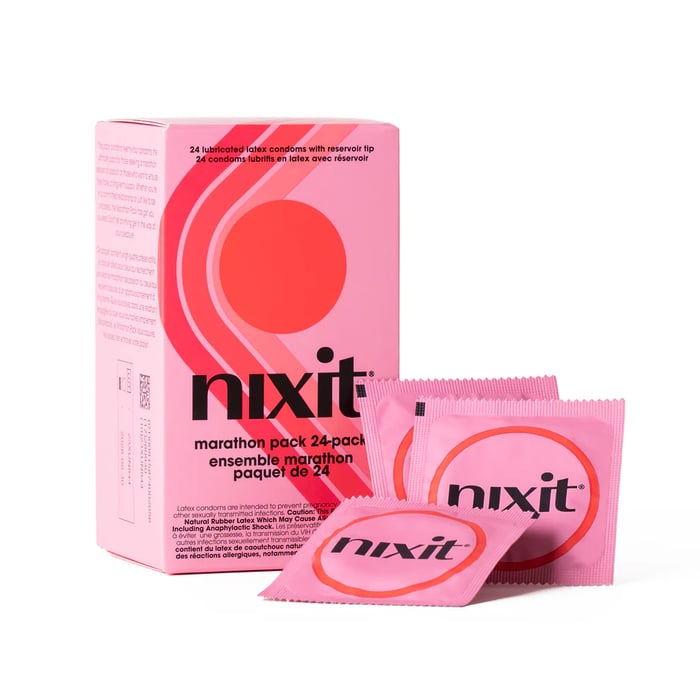
nixit condoms
But whether they feel 'better' depends on other factors like personal preference and partner dynamics. Some people prioritize maximum sensitivity, while others prefer the reassurance of a thicker barrier. The best condom is the one you'll actually use consistently.
Are Thin Condoms as Safe as Regular Condoms?
Many people wonder: are thin condoms safe? The answer is a resounding yes. Thin condoms work without sacrificing protection.
The term "thin" isn't just marketing. It's precision engineering. This reduction in thickness is achieved through advanced dipping technology and polymer formulations that maintain elasticity while using less material.
Thin doesn't mean weak. Despite using less material, thin condoms must meet the same rigorous international standards as regular condoms, specifically ISO 4074 and WHO specifications. Whether latex condoms or non-latex alternatives, all of them undergo the same quality controls as other condoms on the market.
Condoms usually undergo rigorous testing:
- Electronic burst testing to ensure structural integrity
- Tensile strength testing (minimum ≥ 18 N threshold)
- 100% post-production scanning for hole detection
These quality controls ensure that every thin condom that reaches you has been tested for the same durability and safety as standard options.
Clinical data confirms that thin condoms work just as effectively as standard options. When used correctly and consistently, male thin condoms are up to 99.5% effective in preventing HIV transmission, matching the protection rate of other condoms when used correctly.
Potential Drawbacks of Ultra Thin Condoms & Misconceptions
Let's address the common concerns about thin condoms and separate fact from fiction.
Spoiler: Most worries are based on misconceptions rather than actual risk.
Will Thin Condoms Tear?
This is the biggest concern, and largely a myth.
Breakage is rarely due to thinness. The real culprits? Lack of lubrication and improper fit. A condom that's too tight or too loose creates friction points, not the material itself. Learn more about why condoms break and how to prevent it. Use nixit’s water-based lube and choose the right size to increase lubrication and reduce friction.
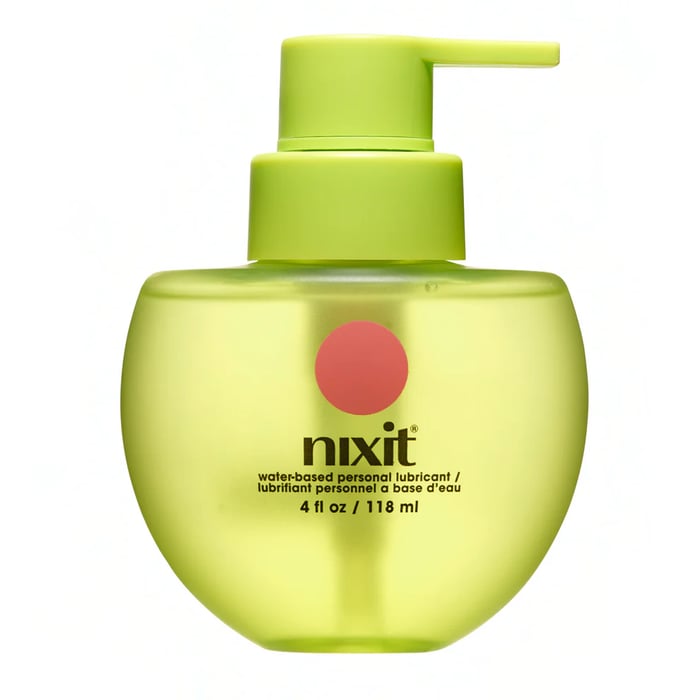
nixit water-based lubricant
Material Sensitivities to Consider
Understanding what condoms are made from helps you choose the right option for your body. About 4.3% of people have a latex allergy, though most condoms are latex-based.
Lambskin condoms are naturally thin but don't protect against sexually transmitted infections, only pregnancy.
For those seeking options with full protection, nixit condoms are made from natural rubber latex, are certified vegan, and offer ultra-thin sensitivity without compromising safety, making them an ideal choice for conscious consumers.
Best Places to Buy Quality Thin Condoms
While it’s easy to find thin condoms at pharmacies, online retailers, or through subscription services, not all condoms are created equal. If you're conscious about what goes on (and in) your body, it's worth looking beyond just "thin" on the label.
Most condoms on store shelves often contain casein (a milk protein), nitrosamines (potential carcinogens), or synthetic dyes. Knowing how condoms are made matters when choosing body-safe products. When shopping for thin condoms, look for these certifications to ensure you're getting body-safe, ethically made products:
- Vegan Society Certified: No animal by-products like casein
- Fair Rubber: Latex sourced ethically with fair wages
- FSC Certified: Packaging from responsibly managed forests
- Carbon Neutral: Manufacturing emissions are offset
nixit condoms check all these boxes: vegan, fair trade, free from harmful chemicals, and designed with both your body and the planet in mind. Remember: Your sexual health deserves products made with body-safe materials.
The Bottom Line: Are Thin Condoms Right for You?
So, are thin condoms better? For most people, yes. They offer enhanced sensation and heat transfer without compromising safety as long as you choose the right size and use proper lubrication.
The best condom is the one you'll actually use consistently. If thin condoms make safer sex more enjoyable, that's a win for both pleasure and protection. Especially for those who've struggled with condom use before, the improved sensation can be a game-changer.
Ready to try them? nixit's ultra-thin condoms are vegan, chemical-free, and designed with your body and the planet in mind. Whether you're exploring our menstrual discs or intimacy essentials, we're here to support body-safe choices that feel good in every way.
For more science-backed insights on sexual health and reproductive wellness, explore the nixit blog.
Frequently Asked Questions
Do thin condoms really feel different?
Yes, the thin feel is noticeable for most users who try them. Thinner material allows more heat transfer and tactile sensitivity. Most users report a more natural feel.
Are ultra-thin condoms more likely to break?
No, they meet the same safety standards as other types of condoms. Each condom passes rigorous testing before it reaches you. Breakage is almost always due to improper fit or lack of lubrication, not thinness.
Can I use oil-based lubes with thin condoms?
Only if they're non-latex condoms (made from polyurethane or polyisoprene). Oil degrades latex condoms, regardless of thickness.
Are thin condoms latex-free?
Some are. Many thin condoms, including nixit's, are made from natural rubber latex, perfect for those with latex allergies.
Do thin condoms reduce pregnancy protection?
No, thin condoms provide the same level of protection as regular condoms when used correctly. Effectiveness depends on proper use and other factors like fit, not thickness.
What’s the thinnest condom available?
Some brands offer ultra-thin condoms measuring 0.03mm (30 µm). Check the packaging for specific thickness measurements.
How do I know if a thin condom fits me?
A properly fitting condom should feel snug but not tight. Most boxes include size guides based on girth measurements.
Are there eco-friendly thin condoms?
Yes. Look for Fair Rubber certification, FSC-certified packaging, and vegan ingredients. nixit condoms check all these boxes.
Do thin condoms expire faster?
No, they have the same shelf life as standard condoms (typically 3-5 years). Always check the expiration date on the package.
Should beginners try thin condoms first?
If comfort and a thin feel are priorities, absolutely. Just make sure to choose the right size and use plenty of lubrication.