
We have all been there. You are preparing for a massive presentation at work, planning a complicated vacation, or navigating a difficult emotional week, and suddenly, your period arrives days early.
Yes, stress can directly affect your menstrual cycle, causing it to come early, late, or even skip entirely.
It is not just in your head; there is a direct line of communication between your brain and your reproductive system. When life feels chaotic, that line can get a little fuzzy. While a late or missed period can be alarming, it is often your body's intelligent way of conserving energy during tough times.
Understanding how psychological stress impacts your menstrual cycle can help you navigate these changes with confidence and support your reproductive health.
This guide breaks down the science behind how stress and period cycle patterns interact. You will learn exactly why your hormones react the way they do and how to support your body with gentle period care, including strategies to manage stress effectively.
Stress 101: What Is It, Really?
Before we can understand how stress triggers a delayed period, we need to define what stress actually looks like physiologically. It is not just a feeling of being overwhelmed; it is a physical cascade of chemicals. Stress generally falls into two buckets: acute and chronic.
Acute stress (or short-term stress) is the immediate "fight-or-flight" response, like slamming on your brakes in traffic. Chronic stress is the slow-burning variety, such as a high-pressure job, caregiving responsibilities, or financial worry, that can significantly impact both mental health and physical health.
Adulthood psychological stress from work demands and life responsibilities is particularly common in modern society. Think of your body's stress response system like a home security system. In a balanced state, the alarm only trips when there is a break-in. In a chronically stressed state, the security system is stuck on "high alert," sounding the alarm every time the wind blows.
This constant flood of stress hormones is what eventually confuses your reproductive hormones and menstrual cycle. The hypothalamic pituitary adrenal axis becomes dysregulated, affecting menstrual function.
Here is how the two types of stress differ in their impact:
Stress Type | Characteristics | Typical Symptoms |
|---|---|---|
Acute Stress | Short-term, immediate reaction | Anxiety, irritability, increased heart rate, difficulty concentrating, insomnia |
Chronic Stress | Long-term, persistent pressure | Fatigue, brain fog, hormonal disruptions, and sleep issues |
Key Insight: Think of chronic stress like a home alarm that never stops ringing. This constant flood of cortisol keeps your body in survival mode, prioritizing immediate safety over the complex energy demands of reproduction. |
Quick Refresher: How a Typical Menstrual Cycle Works
To spot a disruption or a delayed period, it helps to understand baseline menstrual cycle characteristics. Understanding menstruation physiology helps clarify how your cycle is orchestrated by hormones, primarily estrogen, progesterone, luteinizing hormone, and follicle-stimulating hormone. A standard cycle length typically lasts between 21 and 35 days, though "regular" simply means it is consistent for you.
You can think of your cycle like the four seasons of a year:
- The Follicular Phase (Spring): Estrogen rises, and an egg prepares for release.
- Ovulation (Summer): The main event where the egg is released.
- The Luteal Phase (Autumn): Progesterone levels increase, supporting the uterine lining in preparation for potential pregnancy.
- Menstruation (Winter): Hormones drop when the egg isn't fertilized, triggering shedding of the uterine lining.
The Science: How Stress Disrupts Your Hormones
The connection between your brain and ovaries is not a myth; it is biology. When your brain perceives a threat, it prioritizes survival over reproduction. High levels of cortisol can suppress the release of GnRH from the hypothalamus, which significantly impacts your menstrual cycle.
This creates a domino effect throughout your endocrine system. Without enough GnRH from the hypothalamus, the pituitary gland does not send the signal to the ovaries to release an egg. This mechanism is an evolutionary adaptation designed to protect the body and prevent menstrual cycle irregularity.
Essentially, your body decides that times are too turbulent to sustain a pregnancy, so it hits the "pause" button on ovulation. Those who scored higher on perceived stress, depression, and anxiety scales were more likely to report reproductive cycle disturbances.
5 Menstrual Cycle Changes You Might Notice
So, what does this chemical chaos look like when you are in the bathroom? Psychological stress manifests differently for everyone. For some, it can lead to prolonged periods or amenorrhea, the complete absence of a period, indicating significant menstrual irregularity.
For others, irregular periods might mean spotting throughout the month or a flow that starts and stops unpredictably. If you're on hormonal birth control and experiencing unexpected spotting, learn more about why you might be bleeding on the pill. Some studies report an association between psychological stress and menstrual dysfunction.
You might notice these common disruptions:
Symptom | Possible Stress Connection |
|---|---|
Late or Missed Period | Delayed ovulation due to high cortisol levels. |
Spotting | Fluctuations in progesterone levels can contribute to irregular bleeding patterns. |
Heavy Clotting | Hormonal imbalance (excess estrogen relative to progesterone) leading to thickened uterine lining and heavy menstrual bleeding. |
Severe Cramps | Inflammation increases prostaglandins (pain chemicals), often worsened by stress hormones. |
Evidence-Backed Ways to Manage Stress and Re-balance Your Cycle
The good news is that stress and menstrual cycle changes are often reversible. By signaling safety to your body, you can encourage your hormones and menstrual function to return to their regular rhythm. This requires a multifaceted approach focused on nervous system regulation and holistic period care to manage stress effectively.
Mental Rest
Research suggests that mindfulness-based interventions and relaxation techniques can significantly lower cortisol, particularly in individuals experiencing high psychological stress levels. Even 10 minutes of daily practice using a CBT or meditation app can reset your stress baseline over a few weeks.
Deep breathing exercises can activate the parasympathetic nervous system, helping to manage stress and improve mental health.
Regular Physical Activity
While regular exercise is great for boosting endorphins and supporting physical health, overtraining acts as a physical stressor. Swap high-intensity interval training for restorative movement like walking, yoga, or swimming when you feel burnt out. The goal is to energize, not deplete, especially when dealing with menstrual cycle irregularity.
Nourish Your Nervous System
Focus on stabilizing blood sugar by eating complex carbohydrates and protein at every meal. Magnesium-rich foods like dark chocolate, leafy greens, and pumpkin seeds are excellent for both mood and dysmenorrhea. You might also consider supporting your body with targeted supplements designed for wellness and reproductive health.
Sleep Hygiene
Aim for 7 to 9 hours of sleep in a cool, dark room. Sleep is when your hormones reset, and the hypothalamic pituitary adrenal axis recalibrates. Skimming here makes cycle recovery much harder and can worsen premenstrual syndrome (PMS) symptoms.
Key Tip: When you are burnt out, high-intensity workouts can actually spike cortisol further. Swap heavy cardio for restorative movement like walking or yoga to signal safety to your nervous system rather than adding more physical stress. |
Best Eco-Friendly Period Care And Tracking Tips
Dealing with an unpredictable period is frustrating, especially if you are worried about leaks when you least expect them. This is where reusable period care can be a game-changer for your peace of mind. Unlike tampons, which can be drying and uncomfortable if your flow is lighter than expected, discs collect fluid rather than absorbing it.
Made from ultra-soft, medical-grade silicone, the menstrual disc is chemical-free and body-safe. It is a gentle option for sensitive days. Because the menstrual disc offers up to 12 hours of protection, you can wear it comfortably even if you are just spotting. Using a proper menstrual cup cleanser and vaginal wash can also help keep your routine hygienic and comfortable throughout your cycle.
Pairing your disc with a simple tracking habit can help you regain a sense of control. Try this simple 3-step evening check-in:
- Record your premenstrual syndrome symptoms and flow intensity (None, Spotting, Light, Medium, Heavy).
- Rate your daily stress level from 1 to 10.
- Note any physical symptoms (bloating, headache, energy level).
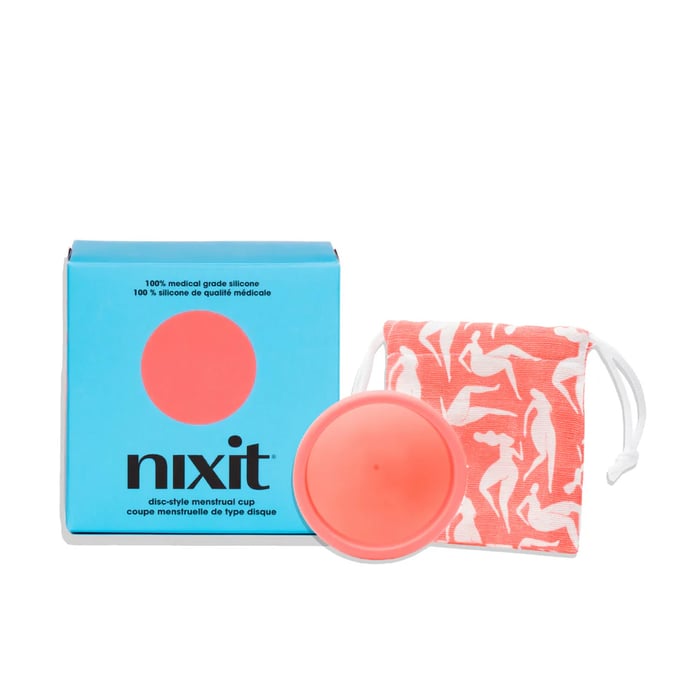
nixit menstrual disc
Support Your Cycle with the Right Care
Stress can shift your menstrual cycle, but small changes in how you care for your body can make a big difference to your overall well-being. Prioritizing rest, balanced lifestyle habits, and gentle period support helps your hormones settle back into a steadier rhythm.
For extra confidence during unpredictable cycles, explore thoughtful options from nixit. Our period care products are designed to keep you comfortable and protected, even when your flow is irregular. Explore our range of products designed to keep you comfortable while supporting your cycle and lifestyle.
Frequently Asked Questions
Can psychological stress delay my period by a few weeks?
Yes, significant acute or chronic stress can delay your ovulation. This subsequently pushes your period back by days or even weeks.
Can chronic anxiety stop periods altogether?
Yes, chronic anxiety can stop periods altogether through functional hypothalamic amenorrhea. When anxiety triggers high cortisol levels, it disrupts the hypothalamic-pituitary-ovarian axis, reducing GnRH signals necessary for ovulation and menstruation.
Is exercise helpful or harmful when I'm experiencing menstrual irregularities?
Moderate exercise, like yoga or walking, is helpful for reducing stress. However, high-intensity training can act as a physical stressor and potentially delay your cycle further.
Why is the nixit menstrual disc better for irregular periods?
The nixit disc is ideal for unpredictable cycles because it collects rather than absorbs menstrual fluid, so you can wear it comfortably even during light flow or spotting days. It offers up to 12 hours of leak-free protection without the dryness that tampons can cause when your flow is inconsistent.
How do I properly clean my nixit disc between uses?
To clean your menstrual disc, use cold water and a pH-balanced cleanser between uses, then boil for 5-10 minutes at the end of your cycle.
Can I use nixit disc if I have sensitive skin or pH imbalances?
Yes. The nixit menstrual disc is made from 100% medical-grade silicone that's hypoallergenic and chemical-free. Pair it with nixit's vaginal wash, which is specially formulated to support your natural pH balance without harsh ingredients.
Will using a menstrual cup worsen dysmenorrhea or cramps?
No. Many users find that menstrual cups and discs actually reduce cramping compared to tampons. They do not rely on suction or expansion against the vaginal walls.
How do I track cycles if they keep shifting?
Focus on tracking symptoms like cervical mucus and basal body temperature. This helps identify when ovulation actually occurs rather than just relying on calendar dates.
Can perimenopause and stress combine to cause unpredictable bleeding?
Yes, perimenopause naturally brings hormonal fluctuations, and added stress can make your cycles even more erratic and harder to predict.