
You're halfway through your workday when that nagging thought hits: wait, when did I put my menstrual cup in this morning? Or maybe you just woke up after a long sleep, wondering if you've pushed the limit.
So exactly how long can you wear a menstrual cup or disc? Don’t worry, you're not alone. It's one of the most common questions for those switching to reusable period care, as menstrual cups can be effectively used to manage flow with confidence. Knowing exactly how long you can wear a menstrual cup eliminates this worry entirely.
We'll give you the evidence-based answer, explain the science behind the time limit, and share quick tips to help you use your period cup or disc safely and worry-free.
The 12-Hour Rule: Your Safety Guideline
Many first-time users ask, “How long can you wear a menstrual cup?” when starting their period care journey. The answer remains consistent: never exceed 12 hours for optimal safety.
The universal, medically-backed maximum of 12 hours is a significant advantage over the 8-hour maximum wear time recommended for tampons, offering you more freedom and fewer bathroom trips throughout the day. Learning to wear a menstrual cup properly means understanding and respecting this time limit for safe use.
The key is to never exceed this 12-hour window, regardless of your flow. While heavy days might require you to empty your menstrual cup or disc sooner to prevent leaks, the 12-hour safety cap never changes.
This guideline applies to all internal reusable products, whether you're using a suction-based menstrual cup or a suction-free nixit menstrual disc. Most menstrual cup brands emphasize this 12-hour safety standard in their user instructions and packaging.
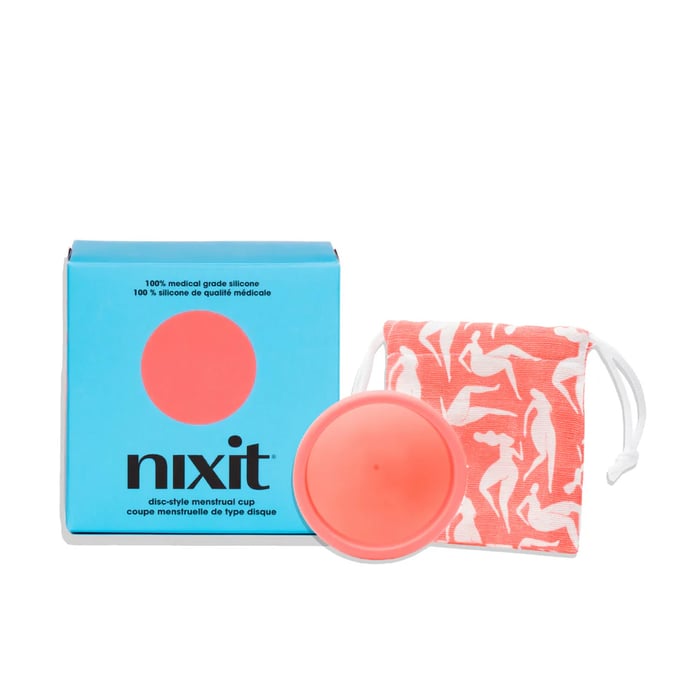
nixit menstrual disc
Why Experts Set the 12-Hour Limit
The 12-hour rule isn't arbitrary; it's based on medical science to minimize health risks and ensure your comfort. Whether you're using a period cup or menstrual disc, this timing is critical for preventing bacterial overgrowth. Exceeding this time limit increases the likelihood of several health and hygiene concerns.
Here are the primary reasons behind the recommendation.
- A slight increase in the risk of Toxic Shock Syndrome (TSS), a rare but serious bacterial infection
- Potential for vaginal irritation, itching, or infection due to bacterial overgrowth and pH imbalance
- Staining of the silicone or TPE material
- Difficulty with removal due to positioning
- Development of an unpleasant odor
- Increased chance of overflow and unexpected leaks, especially on heavy days
Following the 12-hour guideline isn't just a suggestion. It's your best defense against these preventable risks while ensuring your menstrual cup or disc performs as intended.
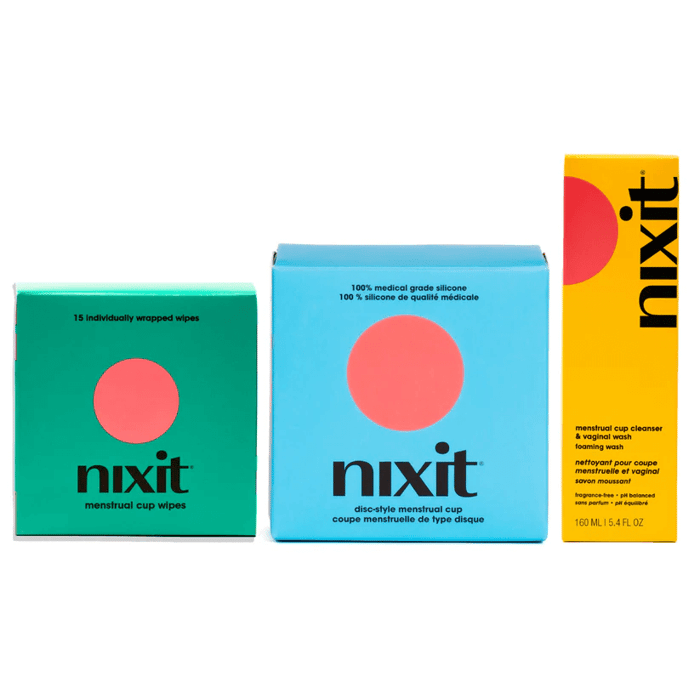
nixit cycle essentials
Quick-Action Guide: Forgot to Remove Your Menstrual Disc or Cup?
Realized you left your device in too long? Don't panic.
While menstrual cups are safe when used correctly, a single instance of extended wear is unlikely to cause serious issues. Just follow these simple steps to handle the situation calmly and safely.
- Wash your hands thoroughly with soap and warm water for at least 20 seconds.
- Relax and find a comfortable position. Tensing your pelvic floor muscles makes removal more difficult. Try squatting or sitting on the toilet.
- Gently remove the disc or cup, keeping it level to avoid spills. If using a cup, break the seal first.
- Empty and inspect the contents. Note the color and consistency. If anything seems highly unusual, mention it to a healthcare provider.
- Clean the device thoroughly with a mild cleanser or fragrance-free soap and water. For peace of mind, boil it for 5 to 10 minutes before reinsertion or storage.
- Monitor your body for the next 24 hours. Contact your doctor immediately if you notice a high fever, sunburn-like rash, dizziness or fainting, foul odor, or unusual discharge.
To avoid future slip-ups, set a recurring timer on your phone or use a period-tracking app with a built-in reminder feature. This simple habit provides peace of mind and keeps menstrual cups safe to use.
The Bottom Line
While the recommended wear time is a critical safety guideline, it's also one of the biggest advantages of switching to reusable period care.
Unlike tampons and other disposable products that need changing every 4 to 8 hours, cups and discs give you extended protection that actually works with your lifestyle, not against it. Period cups and discs collect blood rather than absorbing it, allowing for this extended wear time.
This longer wear time means you can sleep soundly through the night without worrying about changing a tampon or pad. You can go throughout the day without constantly searching for a restroom or scheduling your activities around bathroom breaks. Whether you're swimming, exercising, or simply living your life, you have the freedom to stay active without interruption or leaks.
Beyond convenience, one reusable cup or disc is a cost-effective and eco-friendly alternative that can replace thousands of pads, tampons, and other disposable products over its lifespan. The 12-hour wear time isn't just about safety. It's what makes these benefits possible in the first place.
At nixit, we create period care products built to last, designed for your body, and made with the planet in mind. Explore the ultra-soft, chemical-free nixit disc today.
Other Frequently Asked Questions
Can I sleep with a menstrual cup or disc in?
Yes, both menstrual cups and discs are designed for safe overnight use. This makes period cups ideal for uninterrupted sleep. Just ensure you insert your cup before bed and avoid continuous wear longer than 12 hours.
Is the 12-hour rule the same for heavy flow days?
The safety limit remains 12 hours, but you may need to empty your device more frequently to avoid leaks on heavy days. On heavy days, your menstrual cup will collect more menstrual blood, which means you'll need to empty it more often for comfort. However, the 12-hour safety guideline never changes regardless of volume.
What are the early symptoms of TSS?
Sudden high fever, a sunburn-like rash, low blood pressure, vomiting, dizziness, and general flu-like feelings are all early signs. These symptoms of toxic shock syndrome require immediate medical attention. While rare, toxic shock syndrome is a serious condition that can develop with any internal menstrual product.
Does the 12-hour limit apply to teens?
Absolutely. The time limit is based on bacterial growth rates and applies to everyone, regardless of age or experience. Whether you're new to using a menstrual cup or have been wearing one for years, the 12-hour limit is universal.
Can I have sex with a disc during the 12 hours?
A menstrual disc like nixit is specifically designed for mess-free intimacy. As for menstrual cups, you can never wear them during sex, as cups sit lower in the vaginal canal and use suction.
How do I track wear time if I forget the insertion time?
Set a reminder or timer on your phone as soon as you insert it, or make a note in a period-tracking app to stay on schedule. Setting a timer helps you track how long you wear a menstrual cup safely. This simple habit ensures you never exceed the 12-hour limit and helps you establish a routine.
Will wearing it longer cause staining?
Wearing your menstrual cup longer than 12 hours increases the likelihood of discoloration. Following the time limit and a good cleaning routine helps reduce risks. Proper storage in an airtight container also helps maintain the quality of your cup.
Menstrual blood that sits too long can stain the material, whether you're using a period cup or disc. Most menstrual cup brands recommend emptying every 8-12 hours to prevent this.
Can shorter wear time reduce odor?
Yes, emptying your cup or disc every 8 to 10 hours, especially on warm days or when exercising, can help curb odor development. Emptying your period cup or disc more frequently on hot days keeps things fresh.
Do menstrual cups or discs expire?
Quality menstrual cups made from medical-grade silicone can last 5-10 years with proper care. Medical-grade silicone is durable and body-safe, but inspect your cup regularly for any signs of wear. Many people wonder, “Are menstrual discs/cups safe for long-term use?” The answer is yes, but only when made from medical-grade silicone and cleaned in accordance with the instructions.
How often should I sterilize my cup or disc?
A thorough sterilization, like boiling, is recommended at the beginning and end of each cycle to ensure it is completely sanitized. Proper sterilization keeps your menstrual cup or disc safe and hygienic. Boiling water is an effective method to eliminate bacteria between cycles. Always dry your cup completely and then store your clean cup in an airtight container between uses.